3D print fixed wing drone technology has taken flight, soaring beyond traditional manufacturing constraints. This revolutionary approach allows for the creation of custom-designed drones with intricate components, pushing the boundaries of what’s possible in the world of unmanned aerial vehicles.
Imagine a drone crafted with precision, tailored for specific tasks, and capable of reaching previously inaccessible heights.
From the intricate design of the wings to the precise placement of sensors, 3D printing empowers enthusiasts and professionals alike to build drones that meet their unique needs. This technology not only opens up new possibilities for hobbyists but also revolutionizes industries like agriculture, surveillance, and delivery.
The potential for innovation is limitless, with 3D printed drones poised to reshape the future of aviation.
3D Printing Materials and Techniques
The choice of 3D printing materials and techniques is crucial for constructing a fixed-wing drone. Different materials offer varying strengths, weight, and cost, while various printing techniques impact resolution, surface finish, and production speed. Understanding these factors allows for optimized drone design and fabrication.
Material Properties and Printing Techniques
The following table compares popular 3D printing materials, highlighting their properties, printing resolution, and cost:
| Material | Properties | Print Resolution | Cost |
|---|---|---|---|
| PLA (Polylactic Acid) | Biodegradable, lightweight, good strength-to-weight ratio, easy to print | Low to medium | Low |
| ABS (Acrylonitrile Butadiene Styrene) | Strong, durable, impact-resistant, good chemical resistance | Medium to high | Medium |
| PETG (Polyethylene Terephthalate Glycol) | Tough, flexible, good chemical resistance, easy to print | Medium to high | Medium |
| Nylon (Polyamide) | Strong, durable, high impact resistance, good chemical resistance | Medium to high | High |
| Carbon Fiber Reinforced PLA | High strength, lightweight, improved stiffness | Medium to high | High |
Advantages and Limitations of 3D Printing Techniques
- Fused Deposition Modeling (FDM):FDM is the most common 3D printing technique, using a heated nozzle to extrude thermoplastic filament layer by layer. It is affordable, versatile, and suitable for prototyping and small-scale production. However, FDM prints can have visible layer lines and may require post-processing to achieve a smooth surface finish.
- Stereolithography (SLA):SLA uses a UV laser to cure liquid photopolymer resin, creating highly detailed and smooth parts. It is ideal for intricate designs and applications requiring high precision and surface finish. However, SLA printing can be expensive and requires specialized equipment.
- Selective Laser Sintering (SLS):SLS uses a laser to fuse powdered materials, typically nylon or metal, layer by layer. It produces strong and durable parts with excellent dimensional accuracy. SLS is well-suited for complex geometries and high-performance applications. However, SLS is relatively expensive and requires post-processing to remove excess powder.
Notice Choose Life Choose Words for recommendations and other broad suggestions.
Fabrication and Assembly Process
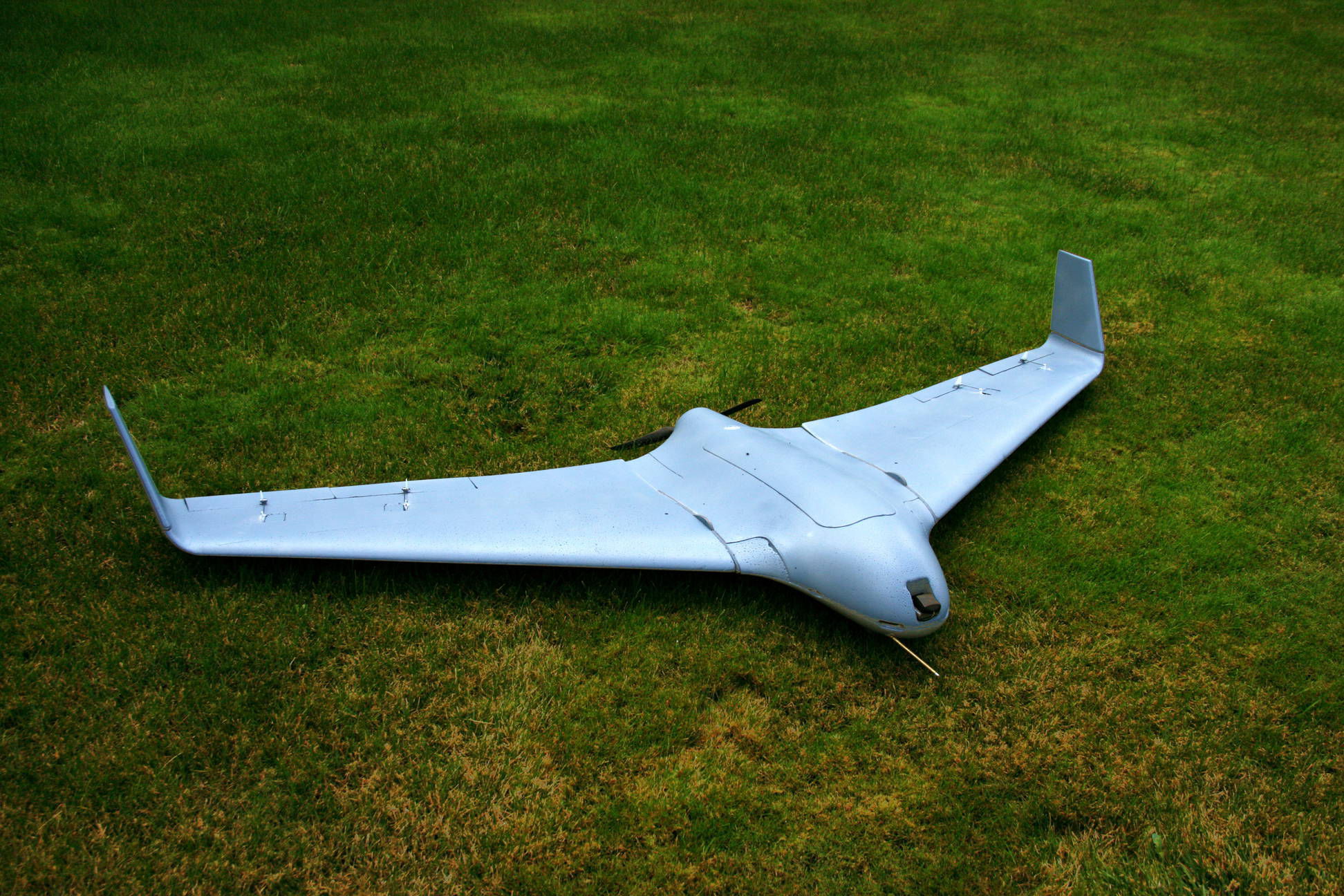
The fabrication and assembly of a 3D printed fixed-wing drone involves a meticulous process that combines the precision of 3D printing with the careful integration of electronic components. This section delves into the detailed steps involved in creating a functional drone from scratch, highlighting the critical aspects of each stage.
3D Printing Drone Components
The process of 3D printing drone components involves using a 3D printer to create the individual parts of the drone based on digital models. This approach offers significant advantages in terms of customization, design flexibility, and cost-effectiveness.The following steps Artikel the 3D printing process for drone components:
- Design and Modeling:The first step involves designing the drone components using computer-aided design (CAD) software. This stage requires careful consideration of factors such as aerodynamics, weight distribution, and structural integrity. The final designs are then saved as 3D models in standard file formats like STL or OBJ.
- 3D Printing:Once the 3D models are prepared, they are sent to a 3D printer. The printer uses a layer-by-layer additive manufacturing process to build the components from a chosen material, such as ABS plastic, PLA, or nylon. The printing process involves extruding the material through a nozzle, guided by the digital model, to create the desired shape.
- Post-Processing:After the 3D printing process is complete, the components may require post-processing to enhance their properties. This can include smoothing the surfaces, removing support structures, or adding finishing touches. The specific post-processing steps will depend on the material used and the desired finish.
Assembling a 3D Printed Fixed-Wing Drone
The assembly process for a 3D printed fixed-wing drone involves carefully joining the printed components, integrating electronics, and ensuring proper functionality. This section provides a step-by-step guide to assembling a basic fixed-wing drone:
- Prepare the Components:Gather all the 3D printed components, including the wings, fuselage, tail, and landing gear. Ensure that all components are clean and free from debris.
- Assemble the Fuselage:Start by assembling the fuselage, which forms the main body of the drone. This may involve connecting multiple printed parts using adhesives, screws, or other fastening methods. The fuselage should be strong and rigid to support the other components.
- Attach the Wings:Once the fuselage is assembled, attach the wings. This typically involves securing the wings to the fuselage using hinges or other suitable mechanisms. The wings should be properly aligned and securely fastened to ensure aerodynamic stability.
- Attach the Tail:Next, attach the tail section, which includes the horizontal and vertical stabilizers. The tail helps to maintain the drone’s stability and control during flight. Ensure that the tail components are securely attached and properly aligned with the fuselage and wings.
- Install the Landing Gear:Install the landing gear, which allows the drone to land safely on the ground. The landing gear can be attached to the fuselage or the wings, depending on the design. Ensure that the landing gear is sturdy and properly positioned.
Integrating Electronics and Sensors
Integrating electronics and sensors into the 3D printed drone is a crucial step that enables the drone to perform its intended functions. This process involves carefully selecting and connecting the necessary components, such as the flight controller, motor controllers, battery, and sensors.
- Flight Controller:The flight controller is the brain of the drone, responsible for controlling the motors and maintaining stability. It receives data from sensors and processes it to make adjustments to the motors. The flight controller typically includes a processor, memory, and communication interfaces.
- Motor Controllers:Motor controllers regulate the speed and direction of the motors, ensuring smooth and controlled movement. They receive commands from the flight controller and translate them into electrical signals that drive the motors.
- Battery:The battery provides power to the drone’s electronics and motors. The choice of battery depends on factors such as flight duration, weight, and discharge rate. It is important to select a battery with sufficient capacity to meet the drone’s power requirements.
- Sensors:Sensors are used to gather information about the drone’s environment and state. Common sensors include gyroscopes, accelerometers, barometers, and GPS receivers. Gyroscopes and accelerometers measure the drone’s orientation and acceleration, while barometers measure altitude, and GPS receivers provide location information.
The data from these sensors is used by the flight controller to maintain stability and control.
Flight Characteristics and Performance
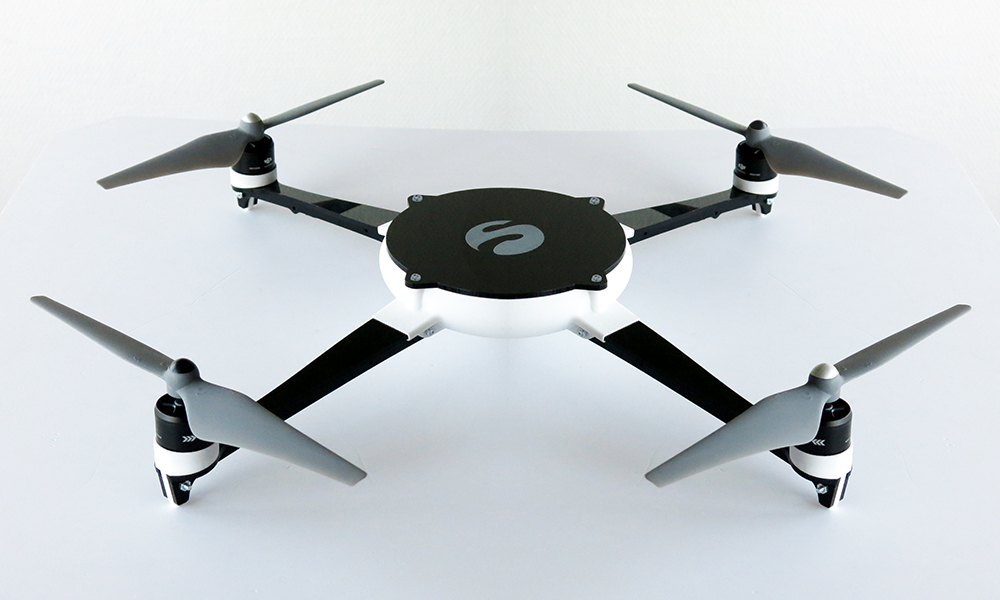
The flight characteristics of 3D printed fixed-wing drones are influenced by a multitude of factors, including wing design, propeller selection, and the material used for printing. While 3D printed drones offer advantages like customizability and cost-effectiveness, their performance compared to traditionally manufactured drones is a crucial area of investigation.
This section delves into the flight characteristics of 3D printed drones and analyzes their performance in relation to conventionally manufactured counterparts.
Performance Comparison with Traditional Drones
The performance of 3D printed drones is often compared to traditionally manufactured drones. While 3D printing offers advantages like rapid prototyping and customization, it also presents challenges in terms of material strength and precision.
- Material Strength:3D printed drones may exhibit lower structural strength compared to drones made from traditional materials like fiberglass or carbon fiber. This can affect the drone’s ability to withstand high stresses during flight, potentially leading to reduced flight time or even structural failure.
- Precision:The precision of 3D printed components can be affected by the printing process, leading to variations in dimensions and tolerances. These variations can impact the aerodynamic performance of the drone, leading to reduced efficiency and flight stability.
- Flight Time:3D printed drones often have shorter flight times compared to their traditionally manufactured counterparts. This is due to the weight of the printed components and the lower efficiency of the propulsion system.
- Payload Capacity:3D printed drones may have limited payload capacity due to the material strength and structural integrity limitations.
Impact of Wing Design
The wing design plays a critical role in determining the flight characteristics and performance of a fixed-wing drone. Wing design parameters such as wingspan, airfoil shape, and dihedral angle significantly influence the drone’s lift, drag, and stability.
- Wingspan:A larger wingspan generates more lift and allows for slower flight speeds. This is beneficial for drones designed for long-duration flights or surveillance applications.
- Airfoil Shape:The airfoil shape determines the lift and drag characteristics of the wing. Different airfoil shapes are optimized for different flight conditions and performance requirements.
- Dihedral Angle:The dihedral angle is the upward angle of the wings relative to the fuselage. A positive dihedral angle improves lateral stability by increasing the restoring force that counteracts roll disturbances.
Impact of Propeller Selection
The propeller selection significantly influences the drone’s thrust, efficiency, and noise levels. Factors such as propeller diameter, pitch, and number of blades impact the performance of the drone’s propulsion system.
- Propeller Diameter:A larger propeller diameter generates more thrust but can also increase drag and noise levels.
- Propeller Pitch:Propeller pitch refers to the angle of the blades. A higher pitch results in higher thrust and speed but also increases power consumption.
- Number of Blades:The number of blades affects the thrust, noise, and efficiency of the propeller. More blades generally result in smoother operation and reduced noise.
Applications and Use Cases
The versatility of 3D printed fixed-wing drones extends to a wide range of applications across various industries. The ability to customize drone designs, combined with the cost-effectiveness of 3D printing, has opened up new possibilities for innovative solutions.
Industries Utilizing 3D Printed Drones, 3d print fixed wing drone
D printed drones are finding applications in diverse industries, each leveraging the unique advantages of this technology.
- Agriculture: 3D printed drones are used for precision agriculture, enabling tasks like crop monitoring, spraying, and data collection. Their customizability allows for tailoring drone designs to specific farm sizes and crop types, optimizing efficiency and reducing environmental impact.
- Construction: 3D printed drones are employed for site inspections, surveying, and progress monitoring in construction projects. They can capture high-resolution aerial imagery and data, providing valuable insights for project management and safety assessments.
- Environmental Monitoring: 3D printed drones play a vital role in environmental monitoring, including wildlife tracking, pollution detection, and disaster response. Their ability to reach remote and hazardous areas makes them ideal for collecting critical data and supporting conservation efforts.
- Search and Rescue: 3D printed drones are used for search and rescue operations, providing aerial reconnaissance and assisting in locating missing individuals. Their maneuverability and endurance allow them to cover vast areas quickly, increasing the chances of successful rescue efforts.
- Delivery and Logistics: 3D printed drones are being explored for package delivery and logistics applications, particularly in urban environments. Their ability to navigate complex airspace and reach remote locations makes them suitable for last-mile deliveries and efficient transportation of goods.
- Law Enforcement and Security: 3D printed drones are utilized by law enforcement agencies for surveillance, crime scene investigation, and border patrol. Their stealthy design and customizable payloads allow for effective monitoring and data collection in various security scenarios.
- Research and Development: 3D printed drones are valuable tools in research and development, enabling scientists and engineers to test new designs, materials, and technologies. Their flexibility and cost-effectiveness allow for rapid prototyping and experimentation.
Use Cases and Drone Specifications
| Use Case | Drone Specifications |
|---|---|
| Precision Agriculture (Crop Monitoring) | Small, lightweight drone with high-resolution camera and long flight time. |
| Construction Site Inspection | Durable drone with high-resolution camera and obstacle avoidance system. |
| Wildlife Tracking | Silent drone with infrared camera and long range. |
| Search and Rescue | Fast and agile drone with thermal camera and GPS tracking. |
| Package Delivery | Drone with payload capacity and automated landing system. |
| Surveillance and Security | Stealthy drone with high-definition camera and night vision capabilities. |
| Research and Development | Modular drone with customizable payloads and open-source software. |
Future Trends and Innovations
The realm of 3D printed drones is poised for significant advancements, driven by continuous innovation in materials, manufacturing techniques, and integration of advanced technologies. These innovations promise to unlock new possibilities for drone applications, enhancing their capabilities and expanding their reach across diverse industries.
Advancements in Materials and Printing Techniques
The development of novel materials specifically tailored for 3D printing is a key driver of innovation in drone technology. These materials offer improved strength-to-weight ratios, enhanced durability, and resistance to environmental factors, enabling the creation of drones with greater payload capacity, longer flight times, and improved performance in challenging conditions.
- High-Strength Composites:3D printing allows for the creation of intricate designs using composites like carbon fiber and fiberglass, resulting in drones with exceptional strength and stiffness, crucial for high-speed maneuvers and demanding applications. For example, the use of carbon fiber composites in drone frames can significantly reduce weight while maintaining structural integrity, enabling longer flight times and increased payload capacity.
- Lightweight and Flexible Materials:The emergence of flexible and lightweight materials, such as thermoplastic elastomers and shape memory polymers, enables the development of drones with enhanced maneuverability and resilience to impacts. These materials can be printed into complex shapes and structures, allowing for the creation of drones that can navigate tight spaces and adapt to changing environments.
For example, drones equipped with flexible wings or rotors made from these materials can navigate through cluttered environments and withstand harsh landings, opening up new possibilities for search and rescue operations or aerial inspections in challenging terrain.
- Conductive and Functional Materials:The integration of conductive materials like graphene and carbon nanotubes into 3D printed drone components allows for the creation of functional elements, such as integrated sensors, antennas, and power systems. This eliminates the need for separate components and reduces overall weight, enhancing the efficiency and capabilities of drones.
For example, 3D printed drone wings with embedded sensors can provide real-time data on flight parameters and environmental conditions, enabling autonomous flight control and adaptive navigation.
Integration of Artificial Intelligence and Autonomous Flight Capabilities
The integration of artificial intelligence (AI) and machine learning algorithms into 3D printed drones is revolutionizing drone capabilities, enabling them to perform complex tasks autonomously with increased accuracy and efficiency.
- Autonomous Navigation and Obstacle Avoidance:AI-powered navigation systems enable drones to navigate complex environments without human intervention, avoiding obstacles and optimizing flight paths. This allows for the deployment of drones in hazardous or inaccessible areas, such as search and rescue operations in disaster zones or inspections of critical infrastructure.
- Advanced Flight Control and Optimization:AI algorithms can analyze real-time data from sensors and adjust flight parameters, such as speed, altitude, and trajectory, in response to changing conditions. This results in more efficient and stable flight, reducing energy consumption and improving overall performance.
- Data Analysis and Decision-Making:AI can analyze data collected by drones, identifying patterns and insights that would be difficult or impossible for humans to discern. This allows for more informed decision-making in applications such as precision agriculture, environmental monitoring, and disaster response.
Emerging Trends in 3D Printed Drone Technology
The field of 3D printed drones is constantly evolving, with several emerging trends shaping the future of this technology.
- Multi-Material 3D Printing:This technology allows for the creation of drones with components made from different materials, each optimized for specific functions. For example, a drone could have a lightweight carbon fiber frame, a flexible thermoplastic elastomer wing, and a durable ceramic motor housing, resulting in a highly efficient and robust design.
- Additive Manufacturing with Metal Alloys:The development of 3D printing techniques for metal alloys opens up new possibilities for creating high-performance drones with enhanced durability and strength. Metal 3D printing allows for the creation of complex and lightweight designs, enabling drones to withstand extreme conditions and perform demanding tasks.
- Bio-Inspired Drone Designs:Researchers are exploring the use of biomimicry to design drones that mimic the flight characteristics of birds and insects. This approach could lead to the development of drones with greater agility, maneuverability, and energy efficiency, particularly for applications in confined spaces or challenging environments.
Legal and Ethical Considerations

The increasing popularity of 3D printed drones raises crucial questions about their legal and ethical implications. As these devices become more accessible and sophisticated, it’s vital to address the regulatory frameworks governing their use and the ethical considerations surrounding their potential impact on society.
Legal Regulations Surrounding 3D Printed Drones
The legal landscape surrounding 3D printed drones is constantly evolving, reflecting the rapid advancements in drone technology. While the legal framework for commercially available drones is generally established, the unique aspects of 3D printed drones, such as their potential for customization and ease of manufacture, pose specific challenges for regulatory bodies.
- Registration and Licensing:In many jurisdictions, drones, regardless of their origin, require registration and licensing for operation. 3D printed drones, despite their homemade nature, are not exempt from these requirements. This ensures accountability and traceability in case of misuse or accidents.
- Airworthiness Certification:Traditionally, drones undergo rigorous airworthiness certification to ensure safety and compliance with aviation standards. While 3D printed drones may face similar requirements, the lack of standardized manufacturing processes presents a challenge for certification.
- Export Controls:3D printed drones, especially those with advanced features or capabilities, might be subject to export controls. These regulations aim to prevent the proliferation of sensitive technology and ensure that drones are not used for illicit activities.
Ethical Considerations Related to Privacy and Security
The use of drones, particularly those with advanced capabilities like high-resolution cameras and long-range flight, raises significant ethical concerns regarding privacy and security. 3D printed drones, due to their accessibility and potential for customization, exacerbate these concerns.
- Privacy Invasion:The ability to capture images and videos from the air raises concerns about unauthorized surveillance and intrusion into private spaces. 3D printed drones, with their ability to be modified for specific purposes, could be used for malicious surveillance activities.
- Data Security:Drones equipped with cameras and sensors collect sensitive data, which could be vulnerable to hacking or misuse. The open-source nature of 3D printing could make it easier for individuals to modify drone firmware, potentially compromising data security.
- Security Threats:Drones can be used for illicit activities, such as smuggling, espionage, or even attacks. The ease of manufacturing and modifying 3D printed drones increases the risk of their misuse for malicious purposes.
Best Practices for Responsible Operation and Use
To mitigate the legal and ethical risks associated with 3D printed drones, it’s crucial to adhere to best practices for responsible operation and use. These practices promote safety, privacy, and ethical considerations.
- Adherence to Regulations:Ensure compliance with all applicable laws and regulations governing drone operation, including registration, licensing, and airspace restrictions.
- Privacy Awareness:Respect individuals’ privacy and avoid using drones to intrude into private spaces or record images without consent.
- Data Security:Implement strong security measures to protect data collected by drones, such as encryption and secure storage.
- Responsible Use:Utilize drones for ethical and lawful purposes, avoiding any activities that could cause harm or violate privacy.
- Education and Awareness:Promote awareness about the legal and ethical implications of drone use, encouraging responsible and safe operation.
Resources and Community
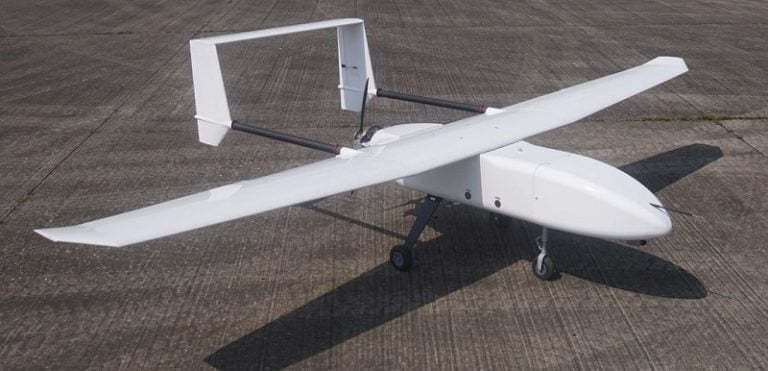
The world of 3D printed drones is a vibrant and growing community, offering a wealth of resources for enthusiasts of all levels. This section provides a directory of online resources, forums, and social media groups, along with a list of 3D printing service providers and drone manufacturers.
Online Resources and Communities
The online world is a treasure trove of information and support for 3D printed drone enthusiasts. These platforms offer forums for discussion, tutorials, design files, and a sense of community.
- Thingiverse:A vast repository of 3D printable designs, including drone components, frames, and accessories. Users can download and share their creations, fostering collaboration and innovation.
- RC Groups:A popular forum for remote-controlled enthusiasts, including drone builders. This platform provides a space for discussions on 3D printing, design, and flight performance.
- Drone Pilots Forum:A dedicated forum for drone pilots and enthusiasts, offering discussions on various aspects of drone technology, including 3D printing.
- Reddit:Several subreddits cater to drone enthusiasts, such as r/multicopter and r/3DPrinting. These communities offer discussions, news, and project updates.
- YouTube:A wealth of tutorials, reviews, and build logs related to 3D printed drones can be found on YouTube. Creators share their expertise and inspire others.
3D Printing Service Providers
For those who lack the resources or expertise to print their own drones, 3D printing service providers offer a convenient alternative.
- Shapeways:A leading online platform for 3D printing services, offering a wide range of materials and finishes.
- Sculpteo:Another reputable service provider offering on-demand 3D printing with various materials and finishes.
- Protolabs:Specializes in rapid prototyping and manufacturing, including 3D printing services.
- 3D Hubs:A global network of 3D printing service providers, offering a convenient way to find local printing options.
Drone Manufacturers
Several drone manufacturers offer 3D printable kits or components, allowing users to customize and build their own drones.
- Holybro:A renowned drone component manufacturer offering a range of 3D printable frames and parts.
- Ardupilot:A leading open-source flight controller platform that provides a wide range of 3D printable parts and accessories.
- 3DRobotics:A company known for its open-source drone software and hardware, offering 3D printable components for its drones.
- DJI:While primarily known for its commercial drones, DJI offers a limited range of 3D printable parts for its products.
Conclusion
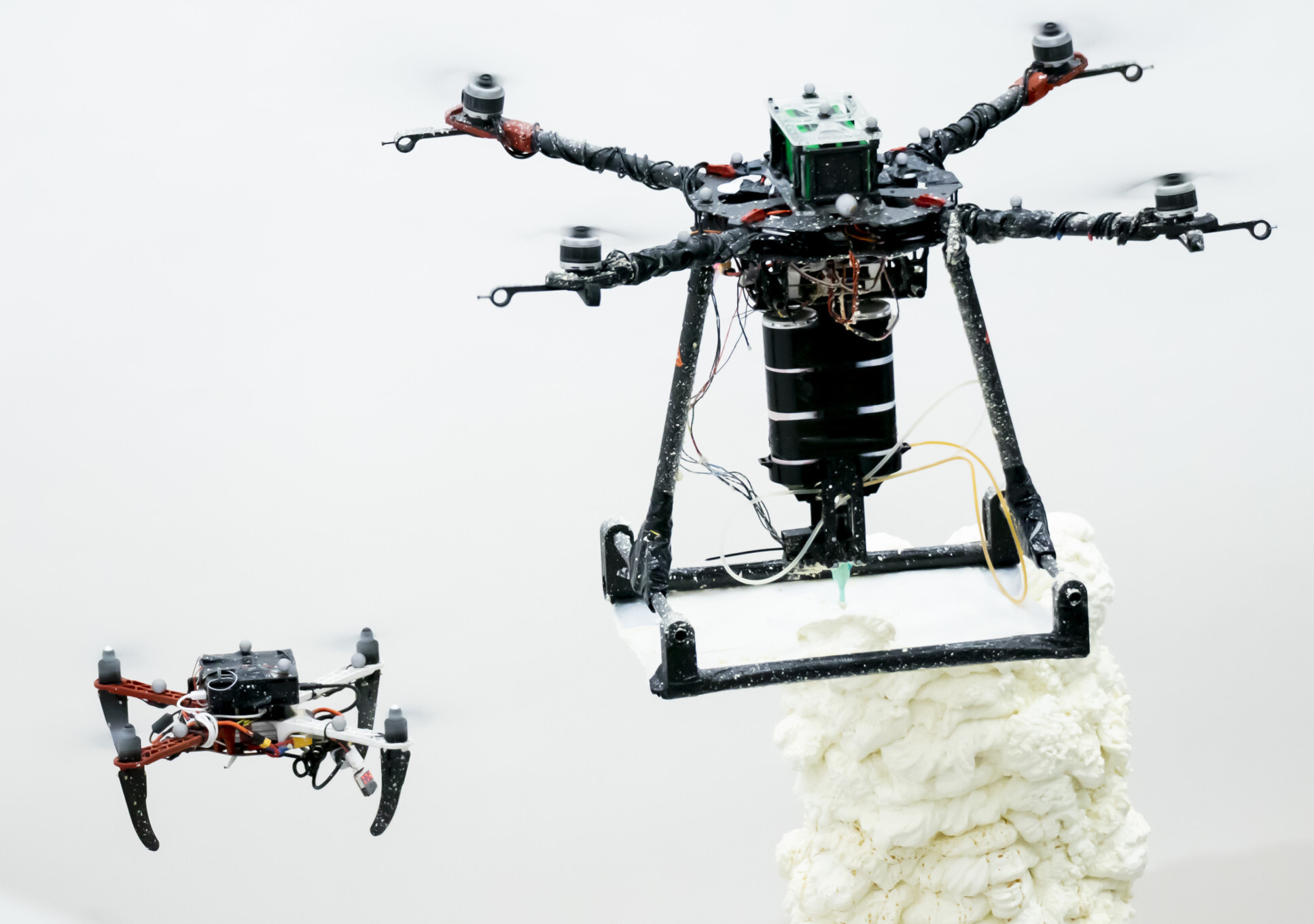
The advent of 3D printed fixed-wing drones has ushered in a new era of possibilities, revolutionizing various industries and pushing the boundaries of drone technology. The ability to design, manufacture, and customize drones with readily available materials and printing techniques has democratized access to this technology, fostering innovation and rapid advancements.
Impact on Industries
The potential impact of 3D printed fixed-wing drones is significant across diverse sectors.
- Agriculture:Drones can be deployed for precise crop monitoring, efficient fertilization, and targeted pesticide application, optimizing agricultural practices and enhancing yields.
- Delivery and Logistics:The use of drones for last-mile delivery, particularly in remote or congested areas, can revolutionize supply chains, reducing delivery times and costs.
- Environmental Monitoring:Drones equipped with sensors can monitor air quality, track wildlife populations, and assess environmental damage, providing crucial data for conservation efforts and disaster response.
- Infrastructure Inspection:Drones can be utilized for inspecting bridges, pipelines, and power lines, identifying potential hazards and facilitating timely maintenance, ensuring safety and minimizing downtime.
- Search and Rescue:Drones can be deployed for search and rescue operations, quickly covering vast areas and providing critical information to rescue teams, saving lives and mitigating damage.
Future Trends and Innovations
The field of 3D printed drone technology is constantly evolving, with ongoing research and development pushing the boundaries of what is possible.
- Advanced Materials:The use of high-strength, lightweight materials, such as carbon fiber composites, will enhance drone performance, extending flight duration and payload capacity.
- Autonomous Flight:Integration of advanced AI algorithms and autonomous navigation systems will enable drones to operate independently, performing complex tasks without human intervention.
- Swarm Intelligence:The development of drone swarms will enable coordinated operations, allowing for more efficient data collection, task execution, and collaborative problem-solving.
- Hybrid Propulsion Systems:The integration of electric and fuel-based propulsion systems will offer greater flight endurance and range, expanding the applications of drones.
FAQ Corner: 3d Print Fixed Wing Drone
What are the limitations of 3D printed drones?
While 3D printing offers incredible flexibility, there are limitations. The strength and durability of 3D printed components can be less than those manufactured using traditional methods, especially for high-stress applications. Additionally, the scale of production for 3D printed drones is currently smaller compared to mass-produced drones.
How much does it cost to build a 3D printed drone?
The cost of building a 3D printed drone varies depending on the complexity of the design, the materials used, and the availability of pre-made components. Generally, it can be more cost-effective to 3D print certain parts compared to purchasing them pre-made.
However, investing in a 3D printer and learning the necessary skills requires an initial investment.
Are 3D printed drones legal to fly?
The legality of flying 3D printed drones depends on your location and the specific regulations in place. It’s essential to familiarize yourself with local laws and obtain any necessary permits or licenses before operating a drone. Remember to fly responsibly and within designated airspace.
