3D printed fixed wing drones are ushering in a new era of aerial technology, offering unprecedented possibilities for innovation and accessibility. This cutting-edge technology allows for the creation of drones with customized designs and functionalities, opening up a world of possibilities for various applications.
The ability to print drones with complex geometries and lightweight materials empowers individuals and organizations to build custom-tailored solutions for their specific needs. Whether it’s for aerial photography, surveying, environmental monitoring, or even delivering essential goods, 3D printed fixed wing drones are poised to revolutionize how we interact with the skies.
3D Printing Techniques for Fixed Wing Drones: 3d Printed Fixed Wing Drone
D printing, also known as additive manufacturing, has revolutionized the way drones are designed and built. This technology allows for the creation of complex and intricate drone components with high precision and customization, offering significant advantages over traditional manufacturing methods.
3D Printing Techniques for Drone Components
D printing offers various techniques that can be used to create different drone components. Each technique has its advantages and disadvantages, depending on the desired properties and applications.
- Fused Deposition Modeling (FDM):This technique involves extruding a thermoplastic filament layer by layer, building up a three-dimensional object. It is a widely used and cost-effective method, suitable for creating prototypes and simple drone components.
- Stereolithography (SLA):SLA utilizes a vat of liquid photopolymer resin that is cured by a UV laser, layer by layer, to create a solid object. This technique produces high-resolution parts with smooth surfaces and intricate details, making it suitable for producing lightweight and durable drone components.
- Selective Laser Sintering (SLS):This method uses a laser to fuse powdered materials, such as nylon or metal, layer by layer. SLS is known for producing strong and durable parts with high temperature resistance, making it ideal for creating structural components like wings and fuselages.
- Digital Light Processing (DLP):Similar to SLA, DLP uses a projector to cure a photopolymer resin layer by layer. This technique offers faster printing speeds and higher resolution than SLA, making it suitable for producing complex and intricate drone components.
- Multi Jet Fusion (MJF):MJF is a powder-based 3D printing technology that uses infrared energy to fuse thermoplastic powders. This technique produces parts with high strength and detail, making it suitable for producing lightweight and durable drone components.
Examples of 3D Printed Drone Components
D printing has enabled the creation of various drone components, including:
- Wings:3D printed wings can be designed with intricate shapes and optimized for aerodynamic performance. The use of lightweight materials like carbon fiber reinforced polymers (CFRP) allows for efficient flight.
- Fuselages:3D printed fuselages can be customized to accommodate specific payloads and electronics, allowing for the creation of drones with unique functionalities.
- Propellers:3D printed propellers can be designed with varying blade shapes and sizes, optimizing for efficiency and thrust.
- Motor Mounts:3D printed motor mounts provide a secure and customizable attachment point for motors, allowing for precise alignment and optimal performance.
- Landing Gear:3D printed landing gear can be designed to withstand impact forces and provide stability during takeoff and landing.
3D Printed Wing Structure Design for Fixed-Wing Drones
Designing a 3D printed wing structure for a fixed-wing drone requires careful consideration of weight, strength, and aerodynamic performance.
- Weight Optimization:Utilizing lightweight materials like CFRP or nylon is crucial for achieving optimal flight performance. The use of hollow or lattice structures can further reduce weight without compromising strength.
- Strength and Durability:The wing structure should be designed to withstand the stresses of flight, including wind loads and landing impacts. This can be achieved by incorporating ribs, spars, and other structural reinforcements.
- Aerodynamic Performance:The wing shape and airfoil design are critical for optimizing lift and reducing drag. Computational fluid dynamics (CFD) simulations can be used to evaluate different wing designs and optimize aerodynamic performance.
The design of a 3D printed wing structure involves a delicate balance between weight, strength, and aerodynamic efficiency.
Flight Performance and Control of 3D Printed Fixed Wing Drones

The flight performance and control of 3D printed fixed-wing drones are critical aspects that determine their overall effectiveness and capabilities. These drones offer unique advantages, such as customizable designs and low-cost production, but their flight characteristics and control systems require careful consideration for optimal performance.
Flight Characteristics of 3D Printed Fixed-Wing Drones
The flight characteristics of 3D printed fixed-wing drones are influenced by various factors, including the design, materials used, and manufacturing processes.
- Aerodynamic Efficiency:3D printing allows for intricate designs and precise geometry, enabling optimization of wing profiles and airfoils for improved aerodynamic efficiency. This translates to longer flight times and greater range.
- Weight and Payload Capacity:The lightweight nature of 3D printed materials, such as PLA and ABS, contributes to reduced weight and increased payload capacity. This allows for carrying heavier sensors or equipment for specific applications.
- Flexibility and Customization:3D printing offers immense flexibility in designing and customizing drones. This enables the creation of drones tailored to specific mission requirements, such as aerial photography, surveillance, or environmental monitoring.
Comparison with Traditionally Manufactured Drones, 3d printed fixed wing drone
While 3D printed drones offer several advantages, it’s essential to compare their performance with traditionally manufactured drones.
- Structural Strength:Traditionally manufactured drones often use stronger materials like carbon fiber or fiberglass, which can provide superior structural strength and durability, particularly for high-speed or demanding applications.
- Production Cost:Although 3D printing can reduce production costs, the initial investment in 3D printers and materials can be significant. For large-scale production, traditional manufacturing methods might be more cost-effective.
- Performance Consistency:Traditionally manufactured drones typically have higher consistency in performance due to standardized production processes and quality control measures. However, advances in 3D printing technology are improving the consistency of printed drones.
Control Systems for 3D Printed Fixed-Wing Drones
Control systems play a crucial role in ensuring the stability and maneuverability of fixed-wing drones. 3D printed drones can be equipped with various control systems, including:
- PID Controllers:Proportional-Integral-Derivative (PID) controllers are widely used in drone control systems. They provide feedback mechanisms to adjust control inputs based on deviations from desired flight parameters.
- Autopilots:Autopilots are embedded systems that automate drone flight, including navigation, altitude control, and stabilization. They can utilize GPS, inertial measurement units (IMUs), and other sensors for precise control.
- Open-Source Flight Control Software:Open-source flight control software, such as ArduPilot and PX4, offers flexibility and customization for controlling 3D printed drones. They allow developers to tailor control algorithms and integrate custom sensors and payloads.
Applications of 3D Printed Fixed Wing Drones
The ability to create customized drones using 3D printing technology opens up a wide range of possibilities for various industries. These drones, with their lightweight, adaptable designs, can be tailored to specific tasks and environments, offering unique advantages over traditional aircraft.
Applications Across Sectors
The versatility of 3D printed fixed-wing drones makes them suitable for a wide range of applications across different sectors. Here’s a breakdown of potential applications:
| Sector | Applications |
|---|---|
| Agriculture |
|
| Surveillance |
|
| Environmental Monitoring |
|
| Delivery and Logistics |
|
| Research and Development |
|
Advantages of 3D Printed Drones in Agriculture
The use of 3D printed fixed-wing drones in agriculture offers significant advantages, particularly in precision agriculture. These drones can be customized to meet specific needs, such as carrying sensors for specific crops or adapting to different farm sizes.
- Cost-effectiveness:3D printing allows farmers to create drones at a fraction of the cost of commercially available drones, making drone technology accessible to a wider range of farmers.
- Customization:3D printed drones can be tailored to specific crop types, farm sizes, and environmental conditions, ensuring optimal performance for individual farms.
- Lightweight and efficient:The lightweight design of 3D printed drones reduces energy consumption and increases flight time, allowing for more efficient monitoring and data collection.
- Improved data collection:3D printed drones can be equipped with various sensors to collect detailed data on crop health, soil conditions, and pest infestations, leading to better decision-making and increased productivity.
Future Trends in 3D Printed Fixed Wing Drones
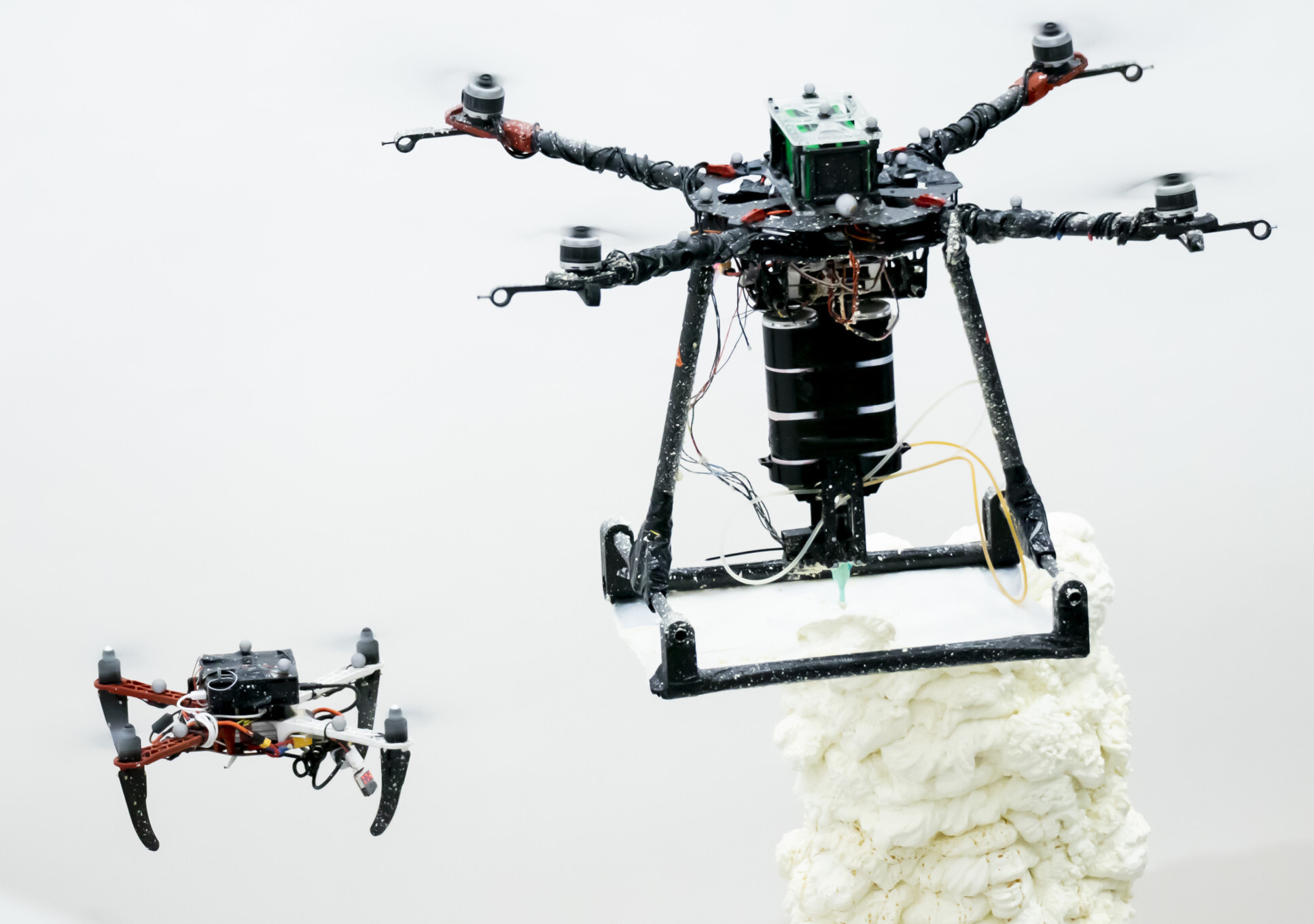
The field of 3D printed fixed-wing drones is experiencing rapid advancements, fueled by innovations in materials, manufacturing techniques, and software. These developments are shaping the future of drone technology, paving the way for more sophisticated, efficient, and adaptable aerial platforms.
Advancements in 3D Printing Materials and Techniques
The development of new 3D printing materials is significantly impacting the design and performance of fixed-wing drones.
- High-strength, lightweight materials: Materials like carbon fiber-reinforced polymers (CFRP) and high-strength thermoplastics are being incorporated into 3D printing processes, enabling the creation of drones with exceptional strength-to-weight ratios. This allows for greater payload capacity and longer flight times. For example, the use of CFRP in drone frames can significantly reduce weight while maintaining structural integrity, leading to increased flight endurance.
- Materials with improved environmental resistance: Advances in materials science have resulted in 3D printing materials with enhanced resistance to temperature extremes, humidity, and UV radiation. This enables the deployment of drones in more challenging environments, such as harsh weather conditions or remote locations.
- Multi-material printing: Multi-material 3D printing techniques allow for the integration of different materials within a single print. This enables the creation of drones with complex geometries and optimized performance characteristics. For instance, a drone frame can be printed with a combination of materials, using a strong, rigid material for the main structure and a flexible material for the wings, leading to enhanced aerodynamic efficiency.
Legal and Ethical Considerations of 3D Printed Fixed Wing Drones
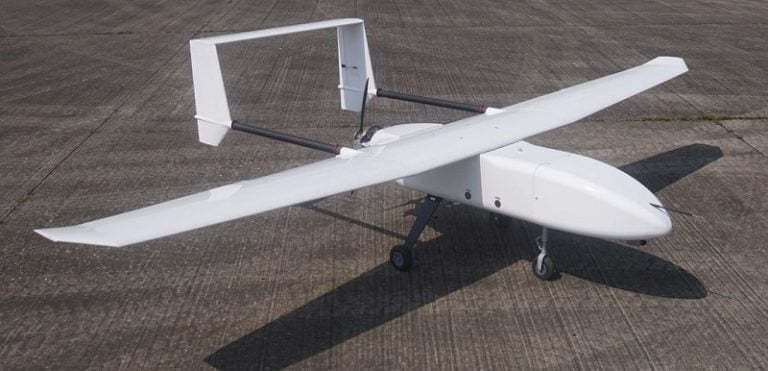
The rise of 3D printed fixed-wing drones presents a new set of legal and ethical challenges. The ease of design, fabrication, and modification of these drones raises concerns about their potential misuse, particularly in areas related to privacy, security, and safety.
Privacy and Surveillance Concerns
The ability to create drones with custom features and capabilities raises concerns about their potential use for surveillance. 3D printed drones can be equipped with cameras and sensors, enabling unauthorized monitoring of individuals and properties. This raises concerns about privacy violations, especially in areas where privacy laws are not well-defined or enforced.
- Unauthorized Surveillance:3D printed drones could be used for illicit surveillance, violating individuals’ privacy by recording their movements, conversations, and activities without their consent.
- Data Security:The data collected by drones can be vulnerable to hacking and unauthorized access, leading to privacy breaches and misuse of sensitive information.
- Lack of Regulation:The rapid development of 3D printed drone technology has outpaced the development of clear regulations governing their use, creating loopholes for potential misuse.
Security and Safety Risks
The ease of access to 3D printing technology and the open-source nature of drone designs raise security concerns.
- Unauthorized Access:Malicious actors could exploit vulnerabilities in drone software or hardware to gain control of drones, potentially using them for disruptive or harmful purposes.
- Weaponization:The potential for weaponizing drones with explosives or other harmful payloads poses a serious security threat, requiring robust measures to prevent such misuse.
- Air Traffic Safety:The increased number of drones in the airspace raises concerns about collisions with manned aircraft, requiring stricter regulations and safety protocols to ensure safe airspace operations.
Recommendations for Responsible Development and Use
Addressing the legal and ethical challenges posed by 3D printed drones requires a multi-faceted approach involving collaboration between governments, industry, and research institutions.
- Clear Regulations:Governments need to establish clear regulations governing the design, manufacture, and operation of 3D printed drones, including licensing requirements, registration procedures, and limitations on their use.
- Enhanced Security Measures:Drone manufacturers should incorporate robust security measures into their designs, including encryption, authentication protocols, and tamper-proof hardware to prevent unauthorized access and manipulation.
- Public Awareness Campaigns:Public awareness campaigns are crucial to educate individuals about the responsible use of drones, emphasizing privacy rights, safety protocols, and the potential consequences of misuse.
- Ethical Guidelines:Developing ethical guidelines for the design and use of 3D printed drones is essential to promote responsible innovation and minimize potential harm.
Building Your Own 3D Printed Fixed Wing Drone
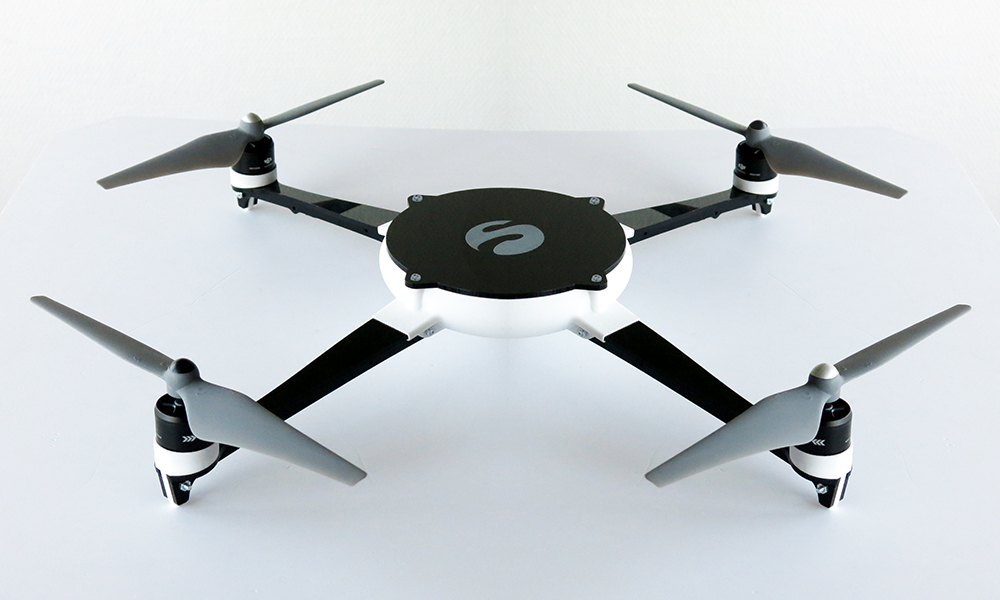
Building your own 3D printed fixed-wing drone is a rewarding and exciting project. It allows you to explore the world of drone technology, experiment with different designs, and create a personalized flying machine. This section will guide you through the process of designing, building, and flying your own 3D printed drone.
Designing a 3D Printed Fixed Wing Drone
Designing a 3D printed fixed-wing drone involves considering various factors, including the desired size, wingspan, and flight characteristics. The design process typically involves using Computer-Aided Design (CAD) software to create a 3D model of the drone. Here are some key aspects to consider when designing a 3D printed fixed-wing drone:* Wing Design:The wing design is crucial for flight performance.
It determines the lift and drag characteristics of the drone. Common wing designs include flat wings, dihedral wings, and swept wings.
Fuselage Design
The fuselage houses the electronics, battery, and other components of the drone. The design should be aerodynamic and provide sufficient space for the internal components.
Tail Design
The tail provides stability and control for the drone. It typically includes a horizontal stabilizer and a vertical stabilizer.
Motor and Propeller Selection
The motor and propeller selection depends on the desired flight performance. Larger motors and propellers provide more thrust and allow for heavier payloads.
Electronics and Flight Controller
The electronics include the flight controller, battery, and other components that control the drone’s flight. The flight controller receives input from sensors and actuators and determines the appropriate commands to the motors.
3D Printing Drone Components
D printing allows you to create custom drone components with high levels of detail and precision. You can use various 3D printing materials, including PLA, ABS, and nylon, depending on the desired strength, durability, and weight. Here are some resources and tutorials for 3D printing drone components:* Thingiverse:Thingiverse is a popular online platform where you can find and download 3D printable drone components.
GrabCAD
GrabCAD is another platform that hosts a wide range of 3D models, including drone components.
YouTube Tutorials
Numerous YouTube tutorials provide step-by-step instructions on 3D printing drone components.
Essential Tools and Materials
Building a 3D printed fixed-wing drone requires a few essential tools and materials. Here is a list of essential tools and materials:* 3D Printer:A 3D printer is necessary to print the drone components.
CAD Software
CAD software is used to design the drone components.
Soldering Iron
A soldering iron is used to connect the electronic components.
Solder
Solder is used to connect the electronic components.
Screwdriver Set
A screwdriver set is used to assemble the drone.
Glue
Glue is used to secure the components.
Sandpaper
Sandpaper is used to smooth the printed components.
Paint
Paint can be used to customize the drone’s appearance.
Flight Battery
A flight battery provides power to the drone.
Flight Controller
A flight controller is responsible for controlling the drone’s flight.
Motors
Motors are used to power the propellers.
Propellers
Propellers provide thrust to the drone.
Browse the implementation of Educational Word Searches in real-world situations to understand its applications.
Electronic Speed Controllers (ESCs)
ESCs control the speed of the motors.
Receiver
A receiver receives signals from the remote control.
Servo Motors
Servo motors are used for controlling the ailerons, elevator, and rudder.
Case Studies of 3D Printed Fixed Wing Drones
The field of 3D printed fixed-wing drones has seen a surge in innovative projects, demonstrating the potential of this technology across diverse applications. These projects serve as valuable case studies, highlighting both the successes and challenges encountered in developing and deploying 3D printed drones.
Successful 3D Printed Fixed-Wing Drone Projects
These projects showcase the capabilities and versatility of 3D printed fixed-wing drones in various sectors.
- The “Zephyr” by Airbus:This high-altitude, solar-powered drone, with a wingspan of 24 meters, is a testament to the strength and endurance achievable with 3D printed components. The Zephyr’s ability to stay aloft for extended periods has made it ideal for applications like communications relay and surveillance.
- The “SkyMule” by Delft University of Technology:This drone, designed for cargo delivery in remote areas, demonstrates the potential of 3D printing in creating drones with customizable payload capacities. The SkyMule’s ability to carry heavy loads over long distances has opened up possibilities for efficient logistics in challenging terrains.
- The “Fly-by-Wire” Drone by ETH Zurich:This project focused on developing a fully 3D printed drone with an integrated flight control system. This innovation allows for greater control and maneuverability, paving the way for more complex drone missions.
Challenges and Successes in Developing and Deploying 3D Printed Drones
Developing and deploying 3D printed drones presents unique challenges, but the successes achieved in overcoming these obstacles highlight the technology’s potential.
- Material Selection and Optimization:Choosing the right 3D printing materials for specific drone applications is crucial. Factors like strength, weight, and environmental resistance must be considered. Research and development in materials science are continuously improving the capabilities of 3D printed drones.
- Structural Integrity and Flight Performance:Ensuring the structural integrity of 3D printed components is essential for flight safety. Advanced design techniques and rigorous testing are employed to optimize the performance and reliability of 3D printed drones.
- Scalability and Production Efficiency:Scaling up the production of 3D printed drones while maintaining quality and affordability remains a challenge. Advancements in 3D printing technology and manufacturing processes are continuously addressing these concerns.
Impact of 3D Printed Drones on Specific Industries or Applications
D printed drones are transforming various industries, offering innovative solutions and enhancing existing processes.
- Agriculture:3D printed drones are used for precision agriculture, enabling farmers to monitor crops, identify pests, and apply fertilizers with greater accuracy. This leads to increased yields and reduced environmental impact.
- Infrastructure Inspection:3D printed drones equipped with cameras and sensors are used for inspecting bridges, pipelines, and other infrastructure assets, enabling faster and safer assessments compared to traditional methods.
- Search and Rescue:3D printed drones can be rapidly deployed in disaster areas for search and rescue operations, providing valuable information and assisting in locating survivors.
- Environmental Monitoring:3D printed drones are used for monitoring air quality, tracking wildlife populations, and surveying environmental changes. This data is crucial for informed decision-making in environmental management.
The Future of 3D Printed Fixed Wing Drones
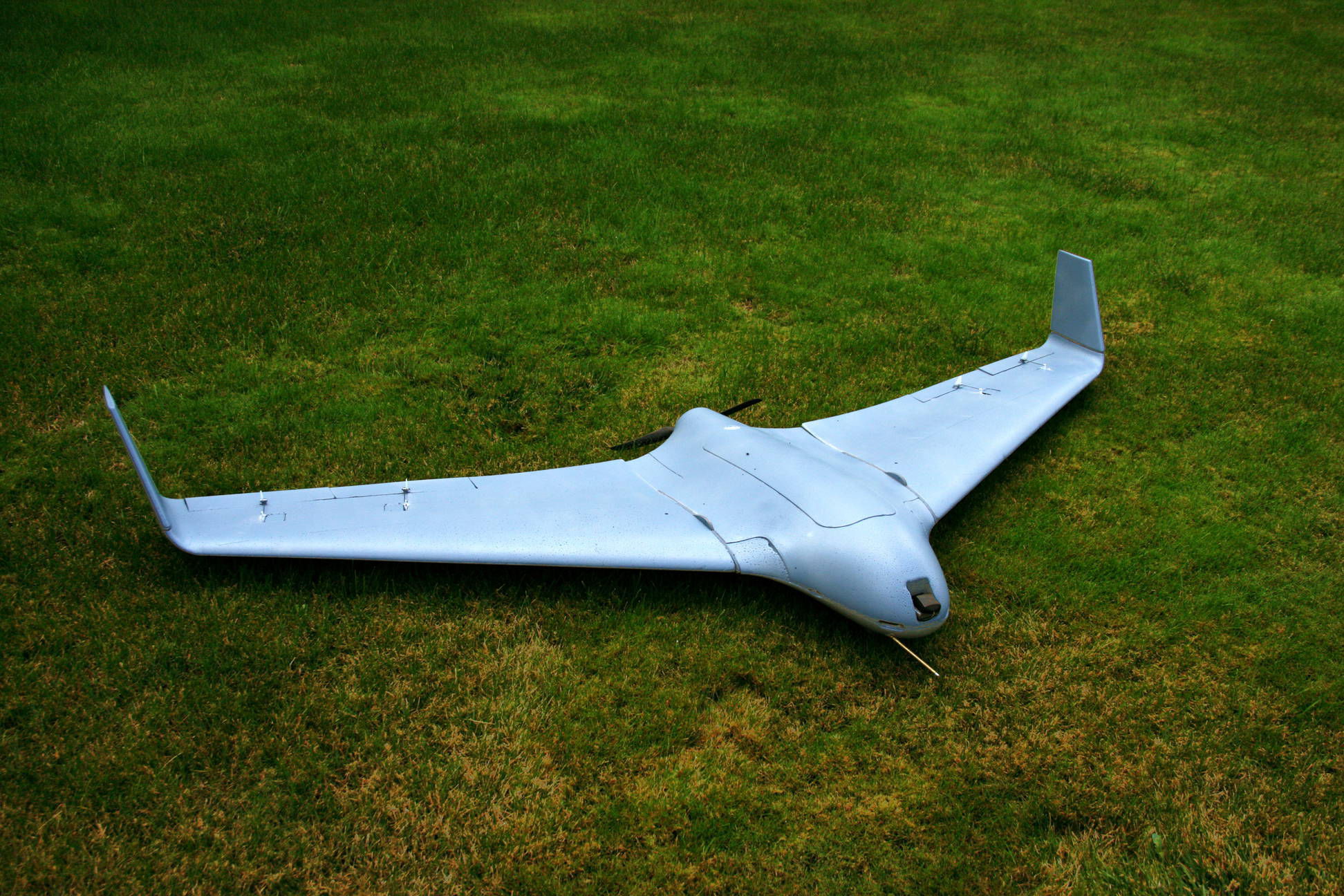
The rapid advancement of 3D printing technology has opened up a new era for the development and deployment of fixed-wing drones. This technology has the potential to revolutionize the way we design, manufacture, and utilize these unmanned aerial vehicles (UAVs).
The future of 3D printed fixed-wing drones is bright, with exciting possibilities across various industries.
Increased Use of 3D Printed Drones in Various Fields
The use of 3D printed fixed-wing drones is expected to increase significantly in various fields due to their inherent advantages. These drones offer several benefits, including:
- Cost-Effectiveness:3D printing allows for the production of drones at a lower cost compared to traditional manufacturing methods. This makes them more accessible to a wider range of users, including researchers, hobbyists, and small businesses.
- Customization:3D printing enables the creation of drones with customized designs and functionalities tailored to specific applications. This flexibility allows for the development of drones optimized for specific tasks, such as aerial surveillance, environmental monitoring, and precision agriculture.
- Rapid Prototyping:3D printing facilitates rapid prototyping, enabling designers to quickly iterate and test different drone designs. This accelerated development cycle allows for faster innovation and improvement of drone capabilities.
- Lightweight and Durable Designs:3D printing allows for the creation of drones with lightweight and durable designs, which can enhance flight performance and extend operating time.
Key Areas of Research and Development
Several key areas of research and development will shape the future of 3D printed drone technology. These include:
- Advanced Materials:Research is ongoing to develop new materials that can be used in 3D printing to create drones with enhanced strength, durability, and weight-carrying capacity. These materials will improve the overall performance and reliability of 3D printed drones.
- Improved Flight Control Systems:Advancements in flight control systems are crucial for ensuring the safe and efficient operation of 3D printed drones. Researchers are developing more sophisticated algorithms and sensors that can enhance stability, maneuverability, and autonomous flight capabilities.
- Integration of Sensors and Payload:3D printing allows for the seamless integration of various sensors and payloads into drone designs. This opens up new possibilities for data collection, analysis, and application in diverse fields, such as environmental monitoring, infrastructure inspection, and search and rescue operations.
- Scalability and Production Efficiency:Research is focused on improving the scalability and efficiency of 3D printing processes for drone production. This will enable the mass production of high-quality 3D printed drones at an affordable cost.
Examples of Potential Applications
The widespread adoption of 3D printed fixed-wing drones will lead to numerous applications across various industries. Some examples include:
- Agriculture:3D printed drones equipped with multispectral cameras and sensors can be used for precision agriculture applications, such as crop monitoring, yield estimation, and targeted fertilization.
- Infrastructure Inspection:Drones can be used to inspect bridges, pipelines, and other infrastructure assets, providing detailed visual and structural data that can be used for maintenance and repair planning.
- Environmental Monitoring:Drones can be deployed to monitor air quality, water pollution, and wildlife populations, providing valuable data for environmental management and conservation efforts.
- Delivery and Logistics:3D printed drones have the potential to revolutionize delivery and logistics operations, enabling faster and more efficient delivery of goods and services to remote areas.
- Search and Rescue:Drones can be used in search and rescue operations, providing aerial reconnaissance and locating missing persons or victims of natural disasters.
- Security and Surveillance:Drones equipped with high-resolution cameras and sensors can be used for security and surveillance purposes, providing real-time monitoring of critical infrastructure and public spaces.
Essential FAQs
What are the benefits of using 3D printed materials for fixed wing drones?
3D printed materials offer several advantages, including the ability to create complex geometries, lightweight designs, and the potential for on-demand manufacturing, making it easier to customize drones for specific applications.
How does 3D printing impact the cost of building a fixed wing drone?
3D printing can significantly reduce the cost of drone construction, especially for small-scale production runs. This accessibility makes drone technology more affordable for individuals and small businesses.
What are the limitations of 3D printed fixed wing drones?
While 3D printing offers many benefits, it also has limitations. The strength and durability of 3D printed materials may not always match those of traditionally manufactured components, and the printing process can be time-consuming for larger drones.
