How to fix peeling print on shirts? It’s a question that plagues many of us who cherish our favorite printed tees, hoodies, and even dress shirts. Imagine your favorite band shirt, the one you’ve worn countless times, slowly revealing the fabric beneath as the print starts to peel.
It’s a disheartening sight, a sign that your beloved garment is losing its charm. But fear not! This guide will equip you with the knowledge and techniques to address peeling print, turning frustration into a renewed appreciation for your printed apparel.
The peeling print phenomenon is a common problem that can stem from various factors. The type of fabric, the printing method employed, washing techniques, and even the frequency of wear can all contribute to the unwelcome detachment of the print.
Understanding these factors is crucial for tackling the issue effectively. From identifying the root cause to exploring preventative measures and effective repair methods, this guide will delve into the world of peeling print, empowering you to save your favorite shirts and extend their lifespan.
Understanding Peeling Print: How To Fix Peeling Print On Shirt
Peeling print on shirts is a common issue that can be frustrating for both wearers and those who design and produce apparel. Understanding the causes of peeling print is crucial for preventing it and ensuring the longevity of your printed garments.
Factors Affecting Print Adhesion
The adhesion of print to fabric is influenced by several factors, including the type of fabric, the printing method used, washing techniques, and wear and tear.
- Fabric Type: Different fabrics have varying levels of surface tension and absorbency, which can affect the adhesion of the print. For instance, natural fibers like cotton tend to absorb ink more readily, while synthetic fibers like polyester are more resistant.
This can result in print peeling more easily on certain fabrics.
- Printing Method: The method used to print the design also plays a significant role. Some printing methods, like screen printing, involve applying a thick layer of ink that can be prone to peeling if not cured properly. Other methods, such as digital printing, use a thinner layer of ink that may be less susceptible to peeling but can fade faster.
- Washing Techniques: Improper washing can also contribute to peeling print. Using harsh detergents, hot water, and abrasive washing machines can damage the print and cause it to peel. It is recommended to wash printed garments inside out in cold water and use a gentle detergent.
- Wear and Tear: Frequent washing, rubbing, and exposure to sunlight can all contribute to wear and tear on the print, leading to peeling. This is particularly true for prints that are not properly cured or applied to delicate fabrics.
Types of Printing Methods and Peeling Susceptibility
The different printing methods used for apparel each have varying degrees of susceptibility to peeling.
- Screen Printing: This method involves forcing ink through a stencil onto the fabric. It is a popular method for producing high-quality, durable prints, but it can be prone to peeling if the ink is not properly cured. Screen printing is often used for larger designs and bold colors, and is generally considered a more durable method than other printing methods.
- Digital Printing: Digital printing uses a printer to transfer ink directly onto the fabric. It is a versatile method that allows for intricate designs and photorealistic images. However, digital prints can be more susceptible to peeling than screen prints, especially on delicate fabrics.
Digital printing is often used for smaller designs and intricate details, and is a good option for custom apparel.
- Heat Transfer Printing: Heat transfer printing involves applying a pre-printed design to the fabric using heat and pressure. This method is relatively inexpensive and quick, but it can be prone to peeling, especially if the transfer paper is not properly applied.
Heat transfer printing is often used for smaller designs and logos, and is a good option for creating personalized apparel.
Fabric Composition and Print Adhesion
The composition of the fabric can significantly impact the adhesion of the print.
- Natural Fibers: Natural fibers, such as cotton and linen, tend to be more absorbent and can readily absorb ink. This can lead to better print adhesion but can also make the print more susceptible to fading or cracking over time.
Natural fibers are generally considered a good choice for screen printing due to their absorbency.
- Synthetic Fibers: Synthetic fibers, such as polyester and nylon, are less absorbent than natural fibers. This can make it more challenging for the ink to adhere properly. However, synthetic fibers are generally more resistant to fading and shrinking, making them a good choice for apparel that will be washed frequently.
Synthetic fibers are often used for digital printing and heat transfer printing due to their resistance to shrinking and fading.
- Blends: Fabric blends, such as cotton/polyester blends, can offer a compromise between the properties of natural and synthetic fibers. These blends can provide good print adhesion and resistance to fading and shrinking. Fabric blends are a good option for apparel that needs to be both durable and stylish.
Identifying the Problem
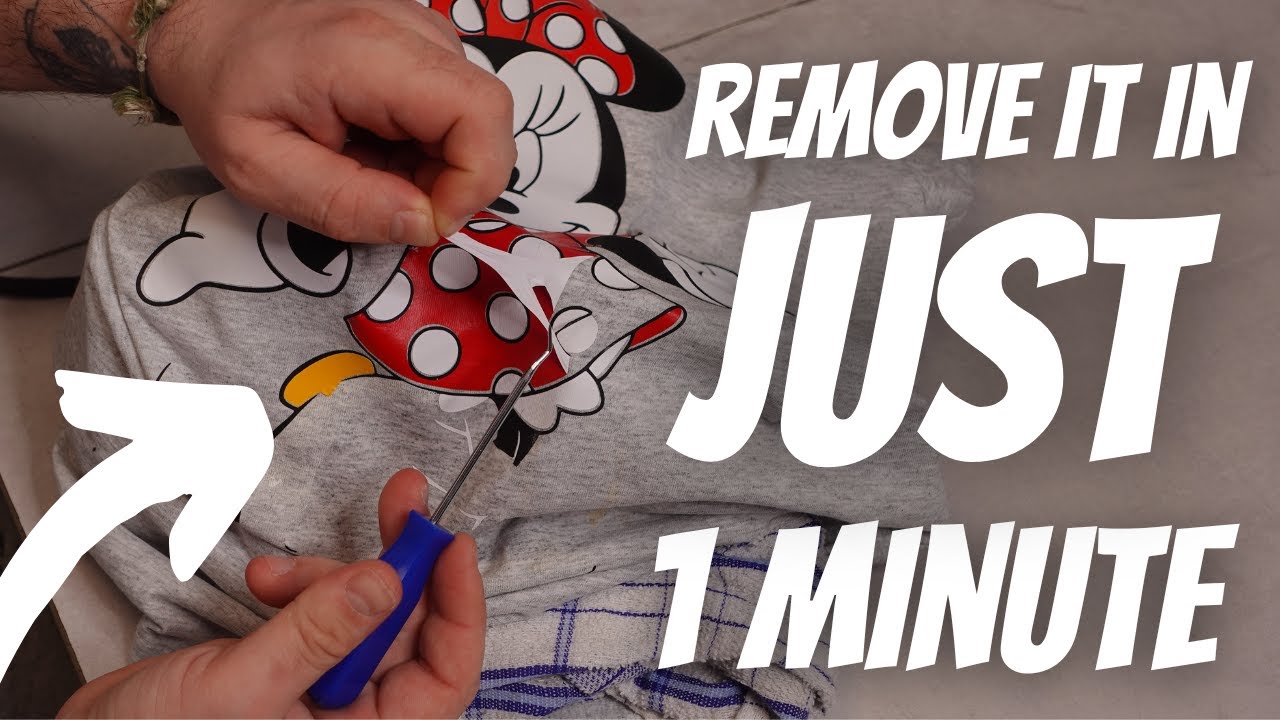
To effectively repair peeling print on your shirt, you must first understand the nature and extent of the damage. This involves a careful visual inspection of the shirt, focusing on the print’s condition and the printing method used.
Examining the Damage
A thorough visual inspection will help determine the extent of the peeling and the areas affected. Here’s a step-by-step guide:
- Observe the Peeling:Examine the shirt for areas where the print is peeling or lifting off the fabric. Note the size and shape of the peeling areas, as well as the amount of print that has detached.
- Identify the Affected Areas:Determine if the peeling is localized to a specific area or widespread across the entire design. Pay attention to the areas where the print is most affected, such as seams, folds, or high-friction points.
- Assess the Severity:Evaluate the severity of the peeling. Is it a minor issue with a few small areas of peeling, or is it a major problem with large sections of the print coming loose?
Identifying the Printing Method
Knowing the printing method used on the shirt is crucial for choosing the right repair approach.
- Screen Printing:Look for a raised, textured print that often feels rough to the touch. This indicates a screen printing method, where ink is forced through a mesh screen onto the fabric. Screen printing is commonly used for t-shirts and other casual wear.
- Direct-to-Garment (DTG) Printing:Examine the print for a smooth, even texture that blends seamlessly with the fabric. This is typical of DTG printing, where ink is sprayed directly onto the garment using specialized printers. DTG printing often produces vibrant colors and detailed designs.
- Heat Transfer:Check for a thin, almost paper-like layer on top of the print. This suggests a heat transfer method, where a pre-printed design is transferred onto the fabric using heat and pressure. Heat transfer prints are often used for smaller designs and logos.
Analyzing the Print’s Texture, Color, and Wear
The print’s texture, color, and any signs of wear can provide valuable insights into the problem.
- Texture:Observe the print’s texture. Is it smooth, rough, or raised? A change in texture, such as a rougher or more uneven surface, can indicate peeling or damage.
- Color:Examine the print’s color for any fading, discoloration, or unevenness. These signs can suggest that the print has been weakened or damaged.
- Wear:Look for signs of wear, such as cracking, fraying, or rubbing. These areas are prone to peeling, as the print has been subjected to friction and stress.
Prevention Strategies

Preventing peeling print on your shirts is crucial for preserving their appearance and extending their lifespan. By adopting proper care practices, you can significantly reduce the chances of print damage and enjoy your favorite shirts for longer. This section delves into essential prevention strategies, covering washing, drying, and storage techniques to safeguard your printed garments.
Washing Printed Shirts
Proper washing is the cornerstone of preventing peeling print. Choosing the right detergent, water temperature, and washing method are essential for maintaining print adhesion.
- Use a Gentle Detergent:Harsh detergents can strip away the adhesive holding the print to the fabric, leading to peeling. Opt for a gentle, pH-neutral detergent specifically designed for delicates or colorfast fabrics. Avoid detergents containing bleach, enzymes, or strong fragrances.
- Cold Water Wash:Hot water can weaken the adhesive bonds in the print, making it more susceptible to peeling. Always wash printed shirts in cold water.
- Turn Inside Out:Washing printed shirts inside out helps protect the print from direct contact with the washing machine’s agitator and reduces friction during the cycle.
- Gentle Cycle:Select a gentle cycle on your washing machine to minimize agitation and prevent excessive rubbing.
- Avoid Overloading:Overloading the washing machine can lead to excessive friction and damage to the print. Leave enough space for garments to move freely.
Drying Printed Shirts
Drying methods can significantly impact print adhesion. Avoid harsh drying techniques that can cause peeling.
- Air Dry:Air drying is the gentlest method for drying printed shirts. Hang them inside out in a well-ventilated area away from direct sunlight or heat.
- Tumble Dry Low:If using a dryer, select the lowest heat setting and tumble dry for a short duration. Remove the shirts from the dryer while they are still slightly damp to minimize shrinkage and prevent excessive heat exposure.
- Avoid Heat:Do not iron directly over the print, as heat can weaken the adhesive and cause peeling. If ironing is necessary, use a low heat setting and place a thin cloth between the iron and the print.
Storage Tips
Proper storage can prevent friction and wear, minimizing the risk of peeling.
- Fold Carefully:Fold printed shirts inside out to protect the print. Avoid tight creases or sharp folds that can weaken the adhesive.
- Store Flat:Store printed shirts flat in a drawer or on a shelf to prevent stretching and friction.
- Avoid Hanging:Hanging printed shirts can cause stretching and gravity can pull on the print, increasing the risk of peeling.
Laundry Detergent Comparison
The type of laundry detergent you use can significantly impact print adhesion. Here’s a comparison of common detergents and their potential effects:
| Detergent Type | Impact on Print Adhesion | Comments |
|---|---|---|
| Harsh Detergents (with bleach, enzymes, or strong fragrances) | High Risk of Peeling | Can strip away the adhesive, weakening the print. |
| Gentle Detergents (pH-neutral, designed for delicates or colorfast fabrics) | Low Risk of Peeling | More gentle on the print, minimizing the chance of damage. |
Folding Printed Shirts
Folding printed shirts correctly minimizes friction and reduces the risk of peeling. Here’s a step-by-step guide:
1. Turn Inside Out
Fold the shirt inside out to protect the print.
2. Fold Sleeves
Fold the sleeves inward, aligning the cuffs.
3. Fold in Half
Fold the shirt in half lengthwise, aligning the side seams.
4. Fold Again
Fold the shirt in half again, creating a compact rectangle.
5. Store Flat
Understand how the union of printer fixing services can improve efficiency and productivity.
Store the folded shirt flat in a drawer or on a shelf.
Repairing Peeling Print

Unfortunately, once a print starts peeling, it’s difficult to completely restore it to its original state. However, there are a few methods you can try to repair the damage and extend the life of your garment.
Patching
Patching involves covering the peeling area with a new piece of fabric or a specialized patch designed for repairs. This method is best suited for small areas of peeling and can be an effective way to hide the damage.
Materials Needed
- Fabric glue
- Iron-on patches
- Scissors
- Iron
- Sewing needle and thread (optional)
Steps
- Clean the peeling area with a damp cloth to remove any dirt or debris.
- Cut a patch of fabric slightly larger than the peeling area.
- Apply a thin layer of fabric glue to the back of the patch.
- Carefully place the patch over the peeling area and press down firmly.
- If using an iron-on patch, follow the manufacturer’s instructions for application.
- Allow the glue to dry completely before wearing the garment.
Effectiveness and Limitations
Patching is a relatively simple and inexpensive repair method that can be effective for small areas of peeling. However, it may not be suitable for large areas of damage, and the patch may be noticeable, especially if the fabric pattern doesn’t match.
Re-printing
Re-printing involves using specialized printing equipment to apply a new layer of ink over the peeling area. This method is more effective for larger areas of damage and can provide a more seamless repair.
Materials Needed
- Heat press
- Transfer paper
- Inkjet or laser printer
- Cutting mat
- Scissors
Steps
- Clean the peeling area with a damp cloth to remove any dirt or debris.
- Design or find a printable image that matches the original print.
- Print the image onto transfer paper using an inkjet or laser printer.
- Carefully cut out the printed image, leaving a small margin around the design.
- Place the printed image face down on the peeling area and cover it with a piece of parchment paper.
- Use a heat press to apply pressure and heat to the image for the recommended time and temperature.
- Peel off the transfer paper once the image has cooled down.
Effectiveness and Limitations
Re-printing can be a more effective repair method than patching, especially for larger areas of damage. However, it requires specialized equipment and some technical skill. Additionally, the re-printed image may not perfectly match the original print, especially if the colors or patterns are complex.
Professional Restoration
If the peeling is extensive or you’re not comfortable attempting repairs yourself, you can consider taking the garment to a professional restoration service. They have specialized equipment and expertise to handle complex repairs and can often restore the garment to its original condition.
Effectiveness and Limitations
Professional restoration is the most effective repair method for extensive peeling, but it can be the most expensive option. It’s also important to find a reputable service with experience in restoring printed garments.
Choosing the Right Approach
The decision of how to fix peeling print on a shirt depends on several factors, including the severity of the peeling, the type of print, and the fabric’s material. It’s essential to carefully assess the situation before choosing a repair method to ensure the best outcome.
Evaluating the Severity of Peeling
The extent of peeling significantly influences the repair approach. A few stray threads or a small area of peeling might be manageable with a simple repair, while extensive peeling might require more intricate solutions.
- Minor Peeling:A few loose threads or a small area of peeling can be easily repaired with a needle and thread, fabric glue, or a heat press.
- Moderate Peeling:Larger areas of peeling might require a more involved approach, such as using a fabric patch or sewing a new layer of fabric over the peeled area.
- Severe Peeling:When the print is extensively peeled, the best option might be to replace the shirt or consider professional repair services.
Determining the Type of Print
The type of print used on the shirt also plays a crucial role in selecting the appropriate repair method.
- Screen Printing:Screen printing involves transferring ink through a mesh screen onto the fabric. It is generally more durable than other printing methods, but peeling can still occur, especially if the ink is not properly cured.
- Heat Transfer:This method involves transferring an image onto the fabric using heat and pressure. Heat transfer prints can be more prone to peeling, especially if the transfer paper is not properly applied or if the fabric is not heat-resistant.
- Direct-to-Garment (DTG) Printing:DTG printing involves printing directly onto the fabric using an inkjet printer. This method is known for its high-quality prints, but it can also be susceptible to peeling, especially if the ink is not properly cured.
Considering the Fabric Material
The fabric’s material influences the repair approach. Some fabrics are more prone to peeling than others.
- Cotton:Cotton is a natural fiber that is relatively easy to repair. It can be sewn, glued, or patched without much difficulty.
- Polyester:Polyester is a synthetic fiber that can be more challenging to repair, as it can be difficult to sew or glue.
- Blends:Fabrics that are blends of different materials can vary in their repairability, depending on the specific blend.
Checklist for Choosing the Right Repair Method
Before attempting any repairs, it’s essential to consider these questions:
- How severe is the peeling?
- What type of print is on the shirt?
- What is the fabric material?
- What tools and materials do I have available?
- What is my skill level in sewing, patching, or using fabric glue?
- Am I comfortable with the risks involved in attempting a repair?
Repair Techniques
Repairing peeling print on a shirt can be a delicate process, but with the right approach, you can restore your favorite garment to its former glory. The techniques used will depend on the extent of the damage and the type of print on the shirt.
Patching Peeling Print
Patching peeling print is a simple and effective method for repairing minor damage. It involves using fabric glue or iron-on patches to secure the loose print back onto the shirt.
- Fabric Glue:This method is best for small areas of peeling print. Apply a thin layer of fabric glue to the back of the peeling print and press it firmly onto the shirt. Ensure the glue is evenly distributed and let it dry completely according to the manufacturer’s instructions.
- Iron-on Patches:Iron-on patches are available in various colors and patterns. Choose a patch that closely matches the color of your shirt and cut it to the size of the peeling print. Place the patch on the back of the peeling print and iron it according to the patch’s instructions.
Ensure the heat is appropriate for the fabric of your shirt to avoid damage.
Re-Printing Damaged Areas
For larger areas of peeling print or more intricate designs, re-printing the damaged area may be necessary. This process requires specialized printing equipment and expertise.
- Direct-to-Garment (DTG) Printing:This method uses digital printing technology to apply ink directly onto the fabric. DTG printing allows for high-resolution and detailed designs. The printer will apply new ink to the damaged area, creating a seamless and durable repair. This technique is best for cotton and polyester fabrics.
- Screen Printing:This method uses a stencil to transfer ink onto the fabric. Screen printing is ideal for large-scale designs and requires a separate screen for each color. For re-printing damaged areas, a new screen will need to be created, which can be expensive and time-consuming.
However, it offers a high-quality and durable finish.
Avoiding Future Peeling
Preventing peeling on printed shirts is crucial for preserving their longevity and maintaining their aesthetic appeal. By understanding the factors that contribute to peeling and implementing preventative measures, you can significantly reduce the risk of this common problem.
Choosing High-Quality Printed Garments
Selecting garments printed with high-quality materials and techniques is fundamental to preventing peeling.
- Durable Fabrics:Opt for fabrics known for their durability, such as cotton, polyester, or blends, as they are less prone to wear and tear.
- Printing Methods:Look for garments printed using methods like screen printing or direct-to-garment (DTG) printing, which offer greater durability compared to techniques like iron-on transfers.
- Printing Inks:Inquire about the type of inks used. High-quality inks are designed to be fade-resistant and less susceptible to cracking or peeling.
Washing and Drying Practices
Proper washing and drying practices play a significant role in preserving the print on your shirts.
- Gentle Detergents:Use mild, color-safe detergents designed for delicate fabrics. Harsh detergents can strip the garment of its natural oils, making it more prone to damage.
- Cold Water:Wash printed shirts in cold water. Hot water can cause the ink to fade or crack, especially with delicate printing techniques.
- Gentle Cycle:Choose a gentle cycle for washing printed shirts to minimize agitation and prevent the print from peeling.
- Air Drying:Air drying is the most gentle method for drying printed shirts. Avoid using a dryer, as the high heat can cause the print to shrink, crack, or peel.
Reading Care Labels
Care labels provide valuable instructions for maintaining the garment.
Always read the care labels on your printed shirts and follow the recommended washing and drying instructions.
- Specific Instructions:Some garments may require specific washing techniques, such as hand washing or dry cleaning, to preserve the print.
- Fabric Type:The care label will indicate the type of fabric, which can guide you in selecting appropriate washing and drying methods.
- Print Care:Some labels may include specific instructions for caring for the printed design.
Professional Garment Care Services, How to fix peeling print on shirt
For delicate printed shirts, consider professional garment care services.
- Expertise:Professional cleaners have the expertise and specialized equipment to handle delicate fabrics and prints without causing damage.
- Specialized Cleaning:They use gentle cleaning methods and detergents that are specifically designed for delicate garments.
- Preservation:Professional cleaning can help to preserve the print’s quality and extend the life of your shirts.
Top FAQs
Can I use regular laundry detergent on printed shirts?
While some detergents are gentler than others, it’s always best to check the care label and opt for a detergent specifically designed for delicate fabrics or colorfast garments. Harsh detergents can strip the print’s adhesive, leading to peeling.
What if the print is peeling on a delicate fabric like silk?
For delicate fabrics, it’s best to avoid any harsh repairs. Consider taking the garment to a professional cleaner or a tailor specializing in garment restoration. They can assess the damage and recommend the safest and most effective approach.
Is it possible to prevent peeling print altogether?
While it’s difficult to completely eliminate the risk of peeling, you can significantly minimize it by following proper care instructions, using gentle detergents, and avoiding harsh drying methods. Investing in high-quality printed garments can also help to increase their durability.
