Printer fixing services are a lifesaver when your printer decides to go on strike, leaving you stranded in a sea of blank paper. Whether it’s a stubborn paper jam, a mysterious error message, or a fading print quality, these services are your go-to for getting your printer back in tip-top shape.
Imagine this: you’re in the middle of a big project, deadline looming, and your printer decides to throw a tantrum. You’ve tried everything – restarting, checking the ink levels, even offering it a little bit of your lunch (don’t judge, we’ve all been there).
But nothing works. This is where printer fixing services come in, wielding their technical expertise to tackle any printing woes you might face.
Choosing the Right Printer Fixing Service
A malfunctioning printer can disrupt workflow and productivity, especially in busy offices or home offices. When faced with printer problems, choosing the right repair service is crucial to ensure a swift and reliable solution. This guide Artikels key factors to consider when selecting a printer repair service, enabling you to make an informed decision.
Factors to Consider When Choosing a Printer Repair Service
When selecting a printer repair service, consider the following factors to ensure a smooth and successful repair experience.
- Experience and Expertise:Look for a service provider with a proven track record of successfully repairing various printer models. Experienced technicians possess the knowledge and skills to diagnose and fix complex printer issues efficiently.
- Reputation and Customer Reviews:Before engaging a service, research their online reputation and customer reviews. Positive feedback and high ratings indicate a reliable and customer-centric service. Websites like Yelp, Google Reviews, and Trustpilot can provide valuable insights into customer experiences.
- Services Offered:Consider the range of services offered by the repair provider. Some services specialize in specific printer brands or models, while others offer comprehensive repairs for a wider range of devices. Ensure the chosen service can address the specific printer issues you are facing.
- Pricing and Transparency:Inquire about the pricing structure and ensure transparency in their fees. Some providers offer flat-rate repairs, while others charge based on the complexity of the issue. Request a detailed quote before proceeding with the repair to avoid unexpected costs.
- Warranty and Guarantee:A reputable repair service will provide a warranty or guarantee on their work. This ensures that if the issue reoccurs, the service will address it without additional costs. Inquire about the duration and scope of the warranty or guarantee.
- Accessibility and Location:Consider the accessibility and location of the repair service. Look for a service with convenient operating hours and a location that is easily accessible. This allows for prompt service and reduces inconvenience.
Evaluating the Credibility and Expertise of Repair Technicians
Assessing the credibility and expertise of repair technicians is crucial for ensuring a successful printer repair. Consider these points:
- Certifications and Training:Look for technicians with industry certifications and training. Certifications demonstrate a commitment to professional standards and expertise in printer repair.
- Experience with Specific Printer Models:Inquire about the technicians’ experience with your specific printer model. Experience with similar models indicates a deeper understanding of the printer’s workings and potential issues.
- Problem-Solving Skills:During initial communication, assess the technician’s ability to understand and diagnose your printer issue. A skilled technician will ask relevant questions and offer insightful suggestions.
Printer Repair Costs and Estimates
Understanding the cost of printer repair is crucial when deciding whether to fix or replace your printer. Printer repair costs can vary significantly depending on several factors, including the printer model, the complexity of the issue, and the service provider.
Factors Influencing Printer Repair Costs
Printer repair costs are influenced by various factors. These factors directly impact the overall cost of repair, and it’s essential to understand their influence.
- Printer Model:Newer printer models often come with more advanced technology and intricate components, making repairs more complex and expensive. Older models, while potentially less sophisticated, may have parts that are harder to find, leading to higher repair costs.
- Issue Complexity:Simple issues like paper jams or ink cartridge replacements usually have lower repair costs. However, complex problems like motherboard failures or damaged print heads can significantly increase repair expenses.
- Service Provider:Different service providers offer varying repair costs. Authorized service centers often charge higher rates for repairs but may offer warranties and genuine parts. Independent repair shops might offer lower prices but may use third-party parts, potentially affecting the repair quality and longevity.
Common Printer Repair Charges
Common printer repair charges include:
- Labor Costs:This typically ranges from $50 to $150 per hour, depending on the service provider and location.
- Parts Costs:The cost of replacement parts varies widely, with common parts like ink cartridges and print heads costing anywhere from $20 to $200. More complex parts, like motherboards, can cost hundreds of dollars.
- Diagnostic Fees:Some service providers charge a diagnostic fee to assess the problem, typically ranging from $25 to $75. This fee is often waived if you decide to proceed with the repair.
Estimating Printer Repair Costs
While it’s impossible to provide an exact estimate without a proper diagnosis, you can get a general idea of potential repair costs by considering the following:
- Researching Online:Many online forums and websites offer information on common printer problems and associated repair costs. This can give you a preliminary idea of what to expect.
- Contacting Service Providers:Contacting different service providers and describing your issue can provide you with estimates. Be sure to ask about labor costs, parts costs, and any additional fees.
- Checking Manufacturer Websites:Some manufacturers offer repair services and provide estimates on their websites. This can be a good starting point for understanding potential costs.
Examples of Printer Repair Costs
- Paper Jam:This is a relatively simple issue that typically costs around $50 to $100 to fix, including labor and any parts needed.
- Ink Cartridge Replacement:This can cost anywhere from $20 to $100, depending on the ink cartridge type and brand.
- Print Head Replacement:Replacing a print head can cost $100 to $300, depending on the printer model and the print head type.
- Motherboard Failure:Replacing a motherboard can be expensive, costing anywhere from $200 to $500, depending on the printer model and the complexity of the repair.
DIY Printer Repair Options
For those seeking cost-effective solutions, tackling printer issues at home can be a viable option. While some problems may require professional intervention, a range of troubleshooting steps and DIY repair methods can address common printer malfunctions.
Troubleshooting Printer Issues
Before attempting any repairs, it’s essential to understand the nature of the problem. Printer issues can manifest in various ways, including paper jams, printing errors, ink cartridge problems, and connectivity issues. A systematic approach to troubleshooting can help identify the root cause and determine the appropriate course of action.
Find out further about the benefits of Food Stamps that can provide significant benefits.
- Check for Paper Jams:Paper jams are a common occurrence and often the easiest to resolve. Gently remove any visible paper from the paper path, ensuring no pieces are left behind.
- Inspect Ink Cartridges:Ensure the ink cartridges are properly installed and that the ink levels are adequate. Replacing empty or damaged cartridges can often resolve printing issues.
- Clean Print Heads:Clogged print heads can lead to blurry or faded prints. Cleaning the print heads with a specialized cleaning solution or a damp cloth can often restore print quality.
- Reset Printer Settings:Resetting the printer to its factory defaults can resolve software-related issues or conflicts. This process usually involves navigating the printer’s menu or using a reset button.
- Update Printer Drivers:Outdated printer drivers can cause compatibility issues. Downloading and installing the latest drivers from the manufacturer’s website can often address printing problems.
- Check Printer Connections:Ensure that the printer is properly connected to the computer or network. Verify that the USB cable or Wi-Fi connection is functioning correctly.
DIY Printer Repairs
For more complex issues, DIY repairs may be possible. However, it’s crucial to assess the level of difficulty and the potential risks involved.
- Replacing Printer Parts:Some printer parts, such as ink cartridges, paper trays, and rollers, are readily available online or at electronics retailers. Replacing these parts can often resolve specific issues.
- Cleaning Internal Components:Dust and debris can accumulate within the printer, affecting its performance. Carefully cleaning the internal components, such as the paper path and print head, can improve printer functionality.
- Using Repair Kits:Repair kits specifically designed for certain printer models can provide tools and instructions for addressing common issues. These kits can be helpful for replacing damaged components or fixing mechanical problems.
Limitations of DIY Repairs
While DIY repairs can be a cost-effective option, they also have limitations.
- Limited Expertise:Repairing printers requires technical knowledge and understanding of the printer’s internal mechanisms. Attempting repairs without adequate expertise can lead to further damage or safety hazards.
- Availability of Parts:Obtaining replacement parts for older or less common printer models can be challenging. Sourcing the correct parts may require extensive research and potentially long waiting times.
- Warranty Voidance:Performing DIY repairs may void the printer’s warranty. Manufacturers often exclude coverage for repairs not performed by authorized technicians.
- Safety Concerns:Working with electrical components and mechanical systems can pose safety risks. Improper handling or modifications can lead to electrical shocks or injuries.
Printer Warranty and Support: Printer Fixing Services
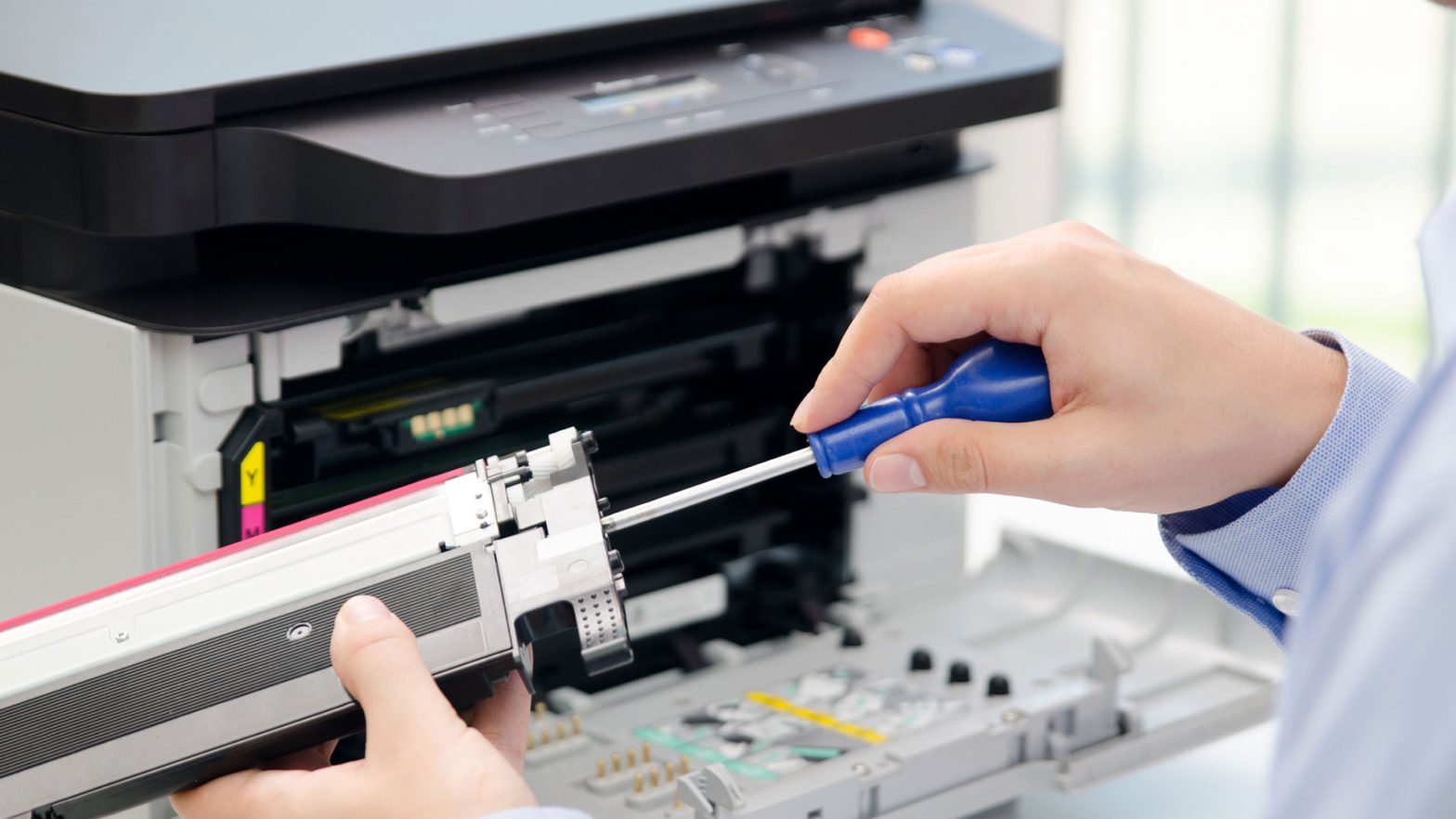
Printer warranties are crucial for covering repairs and ensuring your printer operates smoothly. They offer protection against manufacturing defects and malfunctions during a specific period. However, understanding the intricacies of warranties and support options is essential for making informed decisions.
Manufacturer Warranties
Manufacturer warranties are agreements between the manufacturer and the buyer, outlining the terms and conditions for repairing or replacing a defective product. They typically cover defects in materials and workmanship for a specific duration, often one year.
Benefits of Manufacturer Warranties
- Cost Savings:Warranties often cover repair costs, saving you money on unexpected expenses.
- Peace of Mind:Knowing your printer is protected against defects provides peace of mind and reduces the risk of costly repairs.
- Expert Repair:Manufacturer-authorized repair centers have trained technicians familiar with your specific printer model.
Limitations of Manufacturer Warranties
- Limited Coverage:Warranties may not cover damage caused by misuse, accidents, or unauthorized repairs.
- Time Constraints:Warranties have a specific duration, after which repairs may incur additional costs.
- Limited Parts Availability:Some parts may be discontinued, making repairs challenging or impossible.
Obtaining Support from Printer Manufacturers
Printer manufacturers offer various support channels to assist users with troubleshooting and repair needs. These channels can include:
- Customer Support Phone Lines:Manufacturers provide dedicated phone lines for technical assistance and warranty inquiries.
- Online Support Portals:Websites offer comprehensive FAQs, troubleshooting guides, and downloadable manuals.
- Email Support:Many manufacturers provide email support for less urgent inquiries or technical issues.
- Live Chat:Some websites offer real-time chat support for immediate assistance.
- Community Forums:Online forums allow users to connect with other users and share troubleshooting tips and solutions.
Printer Recycling and Disposal
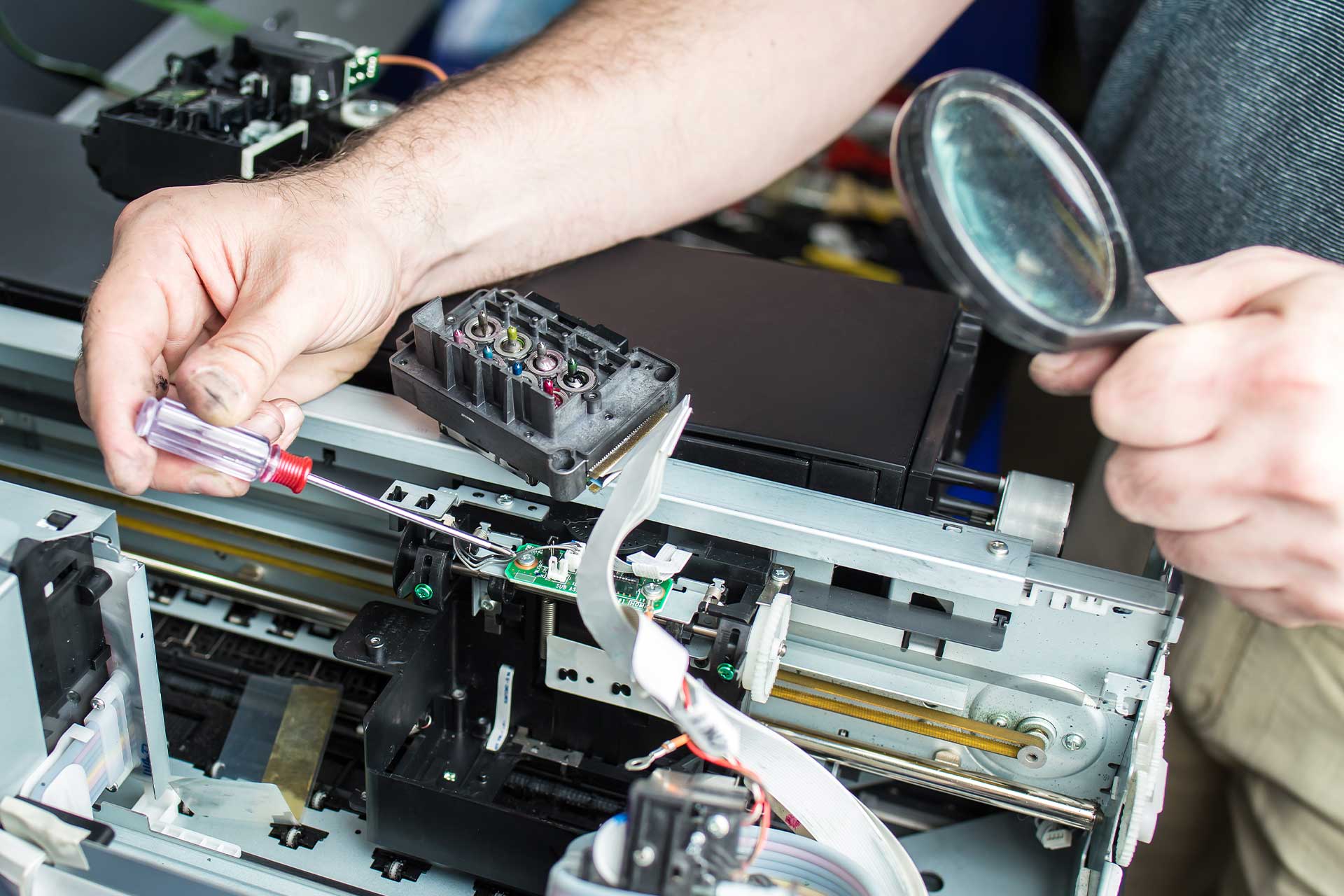
Disposing of old printers responsibly is crucial for environmental protection and sustainable practices. Printers contain various components, including plastics, metals, and electronic waste (e-waste), which can harm the environment if not disposed of properly. Recycling and donating used printers are effective ways to minimize their environmental impact.
Environmental Impact of Printer Disposal
Printers contain various materials, including plastics, metals, and electronic components, that can pose environmental risks if not disposed of properly. Improper disposal can lead to:
- Landfill Contamination:Printers contain hazardous materials such as lead, mercury, and cadmium, which can leach into the soil and groundwater, contaminating the environment.
- Air Pollution:Burning or incinerating printers releases toxic fumes and particulate matter into the air, contributing to air pollution and respiratory problems.
- Resource Depletion:Manufacturing new printers requires significant amounts of raw materials and energy, leading to resource depletion and carbon emissions.
Recycling Options
Many manufacturers and recycling companies offer printer recycling programs. These programs typically accept various printer models and components, including cartridges, toner, and ink.
- Manufacturer Take-Back Programs:Several printer manufacturers, such as HP, Canon, and Epson, have take-back programs where customers can return their old printers for recycling. Check the manufacturer’s website or contact customer support for details.
- E-Waste Recycling Companies:Specialized e-waste recycling companies collect and process electronic devices, including printers. These companies have the expertise and infrastructure to safely recycle components and recover valuable materials.
- Local Recycling Programs:Many municipalities and counties offer e-waste recycling programs. Check your local government website or contact your waste management provider for information on drop-off locations and acceptable materials.
Donation Options
Donating your old printer to a local school, charity, or non-profit organization can provide them with valuable technology and reduce the need for new purchases.
- Schools and Educational Institutions:Schools often need printers for classrooms, libraries, and administrative offices. Contact your local schools to inquire about their printer needs.
- Charities and Non-Profits:Many charities and non-profit organizations rely on printers for their operations, such as document printing, fundraising materials, and communication with donors. Contact local charities or organizations to see if they need printers.
- Community Centers:Community centers and libraries often provide public access to computers and printers. Contact your local community center or library to inquire about their printer needs.
Proper Disposal Methods
If recycling or donation options are not available, it is essential to dispose of printers properly to minimize environmental risks.
- Check for Local Regulations:Contact your local waste management provider or municipality to inquire about regulations regarding printer disposal. Some areas may have specific requirements or restrictions.
- Avoid Improper Disposal:Do not throw printers in regular trash bins, as they can end up in landfills and contaminate the environment. Also, avoid burning or incinerating printers, as this releases harmful emissions.
- Consider Professional E-Waste Disposal:If you are unsure about proper disposal methods, consider contacting a professional e-waste disposal company. They have the expertise and equipment to handle electronic waste safely and responsibly.
Printer Security and Data Protection
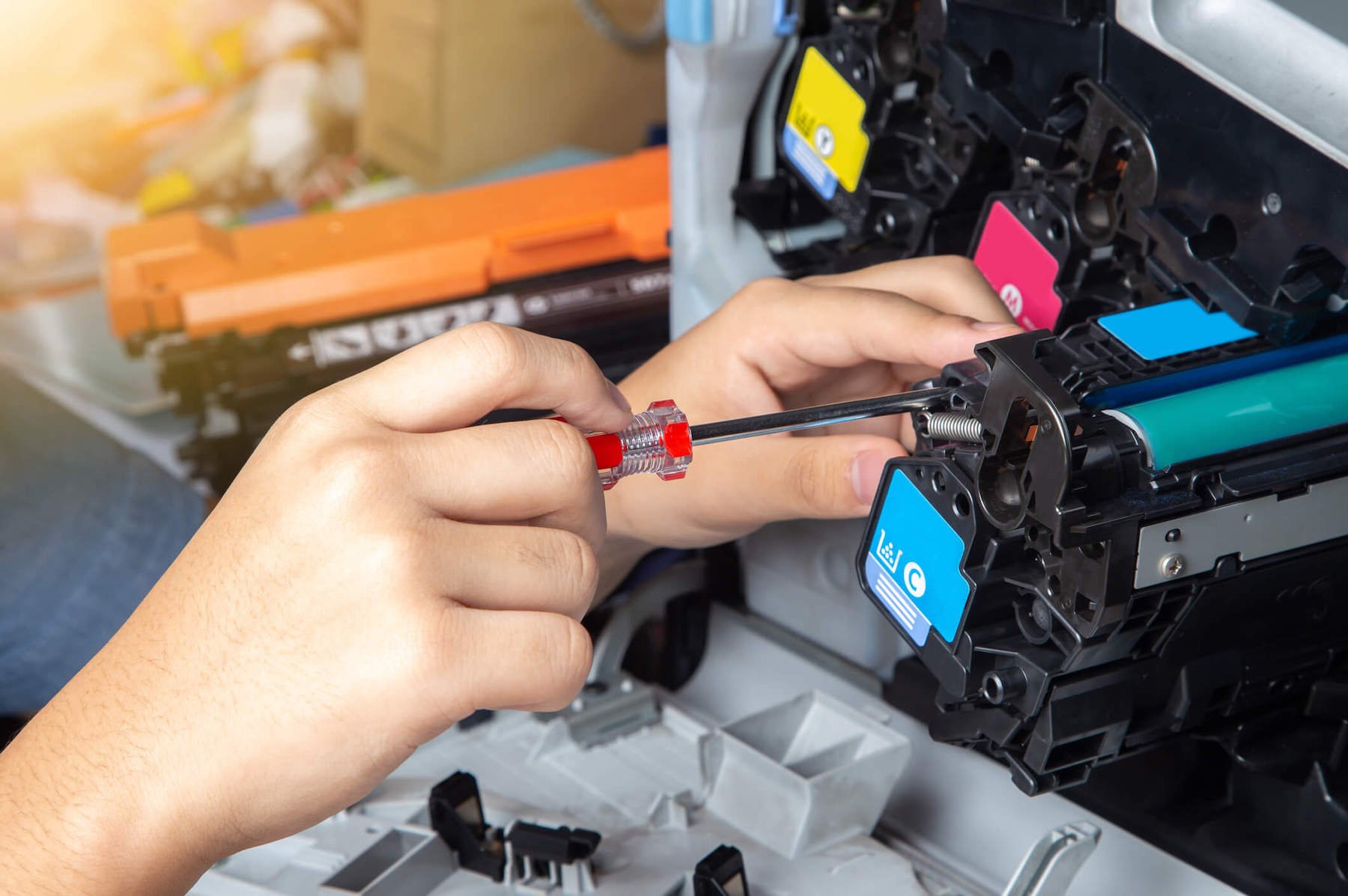
Printers, often overlooked in security discussions, can be vulnerable to attacks, potentially compromising sensitive data. It’s crucial to understand the potential security risks associated with printers and implement measures to safeguard your information.
Data Storage on Printers, Printer fixing services
Printers, particularly those with advanced features like scan-to-email, network connectivity, and document storage capabilities, can store sensitive data. This data can include print jobs, scanned documents, network credentials, and even user information.
Unauthorized access to this data could lead to data breaches, identity theft, and other security threats.
Securing Printer Networks
Protecting your printer network is crucial to prevent unauthorized access and data breaches.
- Use strong passwords for printer administration and network access.
- Enable network security protocols like WPA2 or WPA3 for wireless connections.
- Implement firewalls to block unauthorized access to the printer network.
- Regularly update printer firmware and software to patch vulnerabilities.
Data Protection Measures
To protect sensitive data stored on printers, consider these measures:
- Disable features like scan-to-email or network storage if not necessary.
- Enable data encryption for print jobs and scanned documents.
- Implement access controls to restrict user access to sensitive functions.
- Regularly delete stored print jobs and scanned documents to minimize data exposure.
Physical Security
Physical security plays a vital role in protecting printers and the data they hold.
- Store printers in secure locations with limited access.
- Consider using physical locks to prevent unauthorized access to the printer.
- Monitor printer usage and activity for any suspicious behavior.
Emerging Printer Technologies and Trends
The world of printing is constantly evolving, with new technologies and trends emerging that are changing the way we print and interact with printers. These advancements not only impact the design and functionality of printers but also have significant implications for printer repair services.
Understanding these trends is crucial for anyone involved in the printer industry, from manufacturers to repair technicians to consumers.
Advancements in Printer Technology
Advancements in printer technology are driving innovation in the printing industry. These advancements are leading to printers that are more efficient, reliable, and feature-rich than ever before.
- 3D Printing:3D printing, also known as additive manufacturing, has emerged as a revolutionary technology with the potential to transform various industries. 3D printers build objects layer by layer from a digital design, using materials like plastics, metals, and ceramics. This technology is increasingly being used in manufacturing, prototyping, healthcare, and even home-based printing.
- Inkjet Technology:Inkjet technology has made significant strides in recent years, with advancements in print quality, speed, and efficiency. Newer inkjet printers offer high-resolution printing, faster print speeds, and improved ink efficiency, reducing the overall cost of printing.
- Laser Technology:Laser printers continue to dominate the office printing market due to their high-speed printing, exceptional print quality, and durability. Recent advancements in laser technology have resulted in more compact and energy-efficient laser printers, making them suitable for both home and office use.
- Connectivity and Cloud Integration:Modern printers are increasingly connected to the internet and cloud services, allowing for remote printing, monitoring, and management. This connectivity enables users to print from any device, anywhere in the world, and also facilitates automated maintenance and troubleshooting.
- Smart Features:Smart printers are equipped with advanced features like automatic document feeders, duplex printing, and mobile printing capabilities. These features enhance user convenience and productivity, simplifying printing tasks and improving the overall user experience.
FAQ Insights
How much does it cost to fix a printer?
The cost of printer repair varies depending on the issue, printer model, and the repair service provider. A simple fix like a paper jam might be free, while more complex repairs could cost upwards of $100. It’s best to contact a local repair service for a quote.
What should I do if my printer is still under warranty?
If your printer is still under warranty, contact the manufacturer or authorized service center for repairs. They will handle the repair process and potentially cover the cost.
Can I fix my printer myself?
For basic issues like paper jams or ink cartridge replacements, DIY repairs are often possible. However, for more complex problems, it’s best to seek professional help to avoid damaging your printer.
